

Dutch-Belgian immunology company argenx has agreed to acquire California-based Unnatural Products Inc. (UNP) for up to $1.15 billion (€1.03 billion), turning an existing drug-discovery partnership into full ownership of the macrocyclic peptide specialist.
ADVERTISEMENT
Every biopharmaceutical company reaches the same crossroads when selecting a contract development and manufacturing (CDMO) partner. The temptation is to optimize for the lowest quote or the shortest lead time, or both. But the most consequential question is rarely asked directly: which partner will actually carry your program from early-phase clinical through commercial launch without a single avoidable disruption?
Gene therapies began as proof-of-concept treatments for a handful of rare genetic disorders and now, with emerging tools, may expand into broader territories with new targeted organs. This year, one gene therapy achieved what once seemed improbable: enabling children born profoundly deaf to hear. With the first therapy for genetic deafness now approved, the inner ear is emerging as a promising target for the next generation of genetic medicines.
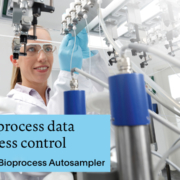
In upstream bioprocessing, process information is most useful when teams can act on it during the process. The Eppendorf Bioprocess Autosampler integrated with the Nova Biomedical BioProfile® FLEX2 cell culture analyzer brings sampling, at-line analysis, and feedback control together. By connecting sampling, analysis, and process control, this solution helps teams move from collecting data to using it for timely process decisions.
Nine reports of tumors in children treated with Novartis’ spinal muscular atrophy (SMA) gene therapy Zolgensma raise new questions about its long-term safety. In two cases, viral vector DNA was detected in the patients’ genomes. In 2022, two children had already died of acute liver failure following treatment. The cases illustrate why assessing the safety of gene and cell therapies remains a particular challenge.
Every Friday, The Leadership Edit follows people taking new roles across European biotech and what their moves may tell us about the companies they join. This week: neuroscience experience for Oculis, an experienced CMO for ARTHEx and manufacturing leadership for CRISPR Therapeutics.
Dutch biotech Anaheim Bio, a spin-out of BioMarin-acquired Alesta Therapeutics, has launched with an oversubscribed €40 million Series A to advance ANA-1, a potential disease-modifying treatment for calcium pyrophosphate deposition disease (CPPD), commonly known as pseudogout, into clinical trials in 2027.
Boehringer is turning to China for cancer research in a multibillion-dollar deal with Sino Biopharmaceutical. Six preclinical programs involving antibody-drug conjugates (ADCs) and T-cell engagers are expected to strengthen its oncology pipeline. Boehringer will initially pay $358 million, with up to another $7 billion tied to development and commercial milestones.
The Mainz-based vaccine developer is making progress in its transformation into an oncology company. But its quarterly report also shows how much work remains: Pumitamig is at the center of clinical development, while other advanced candidates still need to confirm their results. In the meantime, BioNTech is also facing setbacks in its mRNA cancer programs. The collaboration with Bristol Myers Squibb has become a major pillar of revenue — although primarily through contractual payments rather than drug sales.
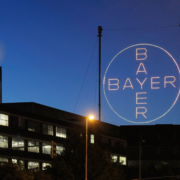
Bayer brings sevabertinib into the first-line setting in China — but Boehringer is already there: With the approval of sevabertinib for the first-line treatment of HER2-mutated lung cancer, Bayer is expanding access to an important market. The drug is no longer entirely new, nor is it the first in its class in China. Boehringer Ingelheim has already secured a head start with zongertinib.