Amsterdam-based VectorY Therapeutics has secured €74.5 million ($83.5 million) in new financing to advance its lead gene therapy candidate for amyotrophic lateral sclerosis (ALS) and expand its pipeline of treatments for neurodegenerative diseases. The funding includes a €30 million convertible loan from the European Investment Bank (EIB).
ADVERTISEMENT
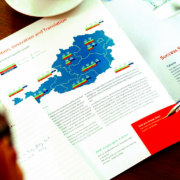
Austria continues to strengthen its position as one of Europe’s most dynamic life sciences locations. New infrastructure, a coordinated national cluster landscape and targeted funding initiatives are reinforcing the country’s role at the interface of research, industry and healthcare.
Germany-based biotech company SRTD Biotech has closed a €31.5 million seed funding round. At the heart of its approach is an RNA technology designed to address a fundamental challenge facing many RNA-based therapies: How can the activity of a therapeutic molecule be restricted to specific cells without unnecessarily harming healthy tissue?
Swiss venture capital investor Redalpine has closed its eighth fund at $250 million. Redalpine Capital VIII reached its hard cap and was oversubscribed, according to the firm. Less than 12 months passed between the first and final closings. In what remains a challenging fundraising environment for European venture capital firms, this represents a relatively quick closing.
German drugmaker Boehringer Ingelheim and Denmark’s Zealand Pharma have reported positive Phase 3 results for their experimental obesity drug survodutide, which met its primary cardiovascular safety endpoint in a trial involving 5,530 patients and delivered estimated weight loss of up to 13.7% at 72 weeks. However, about one in five patients receiving the drug stopped treatment because of gastrointestinal side effects.
London-based Kesmalea Therapeutics has raised $60 million (about €53.5 million) in a Series A-2 financing and rebranded as Oyster Therapeutics. The funding will support the development of an oral, brain-penetrant protein degrader targeting tau, a protein implicated in Alzheimer’s disease and other neurodegenerative disorders.
Danish drugmaker Novo Nordisk’s anti-inflammatory antibody ziltivekimab and Swiss drugmaker Novartis’ lipoprotein(a)-lowering drug pelacarsen sharply reduced their targeted blood markers but failed to prevent major cardiovascular events, according to full Phase 3 results presented on November 7 at the American Heart Association’s Scientific Sessions.
A Swiss biotech moves closer to Nasdaq, while Valneva and Ethris report mid-stage clinical results. This week’s roundup also covers a takeover offer for Egetis, Sanofi’s latest pipeline cut and Vivoryon’s search for funding as its cash runs low.
British biotech Neobe Therapeutics has raised $6.8 million (€6.1 million) in seed funding to develop engineered bacteria that break down the physical barriers preventing cancer drugs and immune cells from reaching solid tumors. The financing will support the preclinical development of its lead program, NEO22, toward a planned regulatory filing in 2028.
U.K. biotech Immunocore has reported an estimated 70% two-year survival rate among 17 evaluable first-line metastatic uveal melanoma patients given its experimental drug brenetafusp alongside approved Kimmtrak (tebentafusp), supporting plans for a randomized Phase 2/3 trial.