Second time around: Roche’s return to MediLink underlines the value of the first deal
Roche is back in China — and this time at a very different price point. In a renewed partnership with MediLink Therapeutics, the Swiss pharmaceutical group has secured a second antibody–drug conjugate (ADC), underlining how the first collaboration has paid dividends for both sides.
The financial terms tell the story: upfront and near-term payments are around eleven times higher than before, totalling roughly US$570 million. MediLink is clearly capturing its increased value much earlier in the relationship.
Roche is further strengthening its position in ADCs for small cell lung cancer (SCLC) by deepening its collaboration with the Chinese biotech. Under the new agreement, Roche has acquired worldwide rights outside China to the B7H3-targeted ADC tambotatug pelitecan (YL201). The deal includes upfront and short-term payments of US$570 million, plus additional, undisclosed milestone payments and tiered royalties on sales.
The transaction reinforces Roche’s conviction that ADCs represent a strategic pillar of its oncology portfolio, particularly in indications such as SCLC where therapeutic options remain limited. As recently as 2024, Roche entered into a potentially billion-dollar partnership with Innovent Biologics for the DLL3-targeted ADC IBI3009, signalling a clear and consistent focus on the modality.
Tambotatug pelitecan is already in Phase III development in China for SCLC as well as nasopharyngeal carcinoma. According to MediLink, early clinical data in second-line SCLC showed encouraging objective response rates and signs of a survival benefit. The scope of the new agreement also extends to additional solid tumour indications.
A repeat deal that validates the first
For Roche, this is the second significant transaction with MediLink. In early 2024, the two companies agreed on a collaboration around the c-Met-targeted ADC YL211, a deal that could reach close to US$1 billion including milestones. The latest agreement sends a clear signal: the initial cooperation has delivered enough confidence — scientifically and operationally — to justify a much larger follow-on investment.
“The deepened collaboration with MediLink reflects our commitment to harnessing cutting-edge innovation to address areas of high unmet medical need, particularly in oncology and lung cancer as a strategic focus,” said Boris Zaïtra, Head of Corporate Business Development at Roche.
MediLink co-founder and co-CEO Jiaqiang Cai described the deal as a “transformative step” for the global development of tambotatug pelitecan. The ADC is based on MediLink’s proprietary TMALIN platform and, through the partnership with Roche, gains the international reach and development capabilities needed to potentially establish itself as a new treatment option.
China remains fertile ground for antibody deals
The agreement comes amid renewed attention on B7H3 as a target, which is overexpressed in several tumour types. That said, the target is not without risk. Only last month, Daiichi Sankyo paused enrolment in the Phase III IDeate-Lung02 trial of the B7H3-ADC ifinatamab deruxtecan — developed with Merck & Co. — in relapsed SCLC, following multiple deaths linked to interstitial lung disease. For the US the stop of the trial has meanwhile been lifted, it is still in place for the EMA region. (*)
For MediLink, however, the second deal with Roche serves as a strong endorsement. The company is also partnering with Mainz-based BioNTech on an ADC programme, although that collaboration is currently overshadowed by BioNTech’s more advanced bispecific antibody for NSCLC sourced from Biotheus.
Taken together, Roche’s return to MediLink illustrates a familiar pattern in biotech partnering: a successful first collaboration builds trust — and the second deal proves just how much that initial bet was worth.
(*) more in detail: The partial clinical hold on the IDeate-Lung02 phase 3 trial of ifinatamab deruxtecan (I-DXd) in patients with relapsed small cell lung cancer (SCLC) has been lifted by the U.S. Food and Drug Administration (FDA). This decision by the FDA follows additional strategies that Daiichi Sankyo and Merck proposed to implement in IDeate-Lung02 related to the risk of interstitial lung disease (ILD)/pneumonitis. This includes the adoption of stricter trial enrollment eligibility criteria that excludes patients who are at a higher risk of ILD/pneumonitis and more frequent review of unblinded efficacy and safety data by the independent data monitoring committee that will be shared with the FDA. The temporary enrollment pause for IDeate-Lung02 is still in place in the EU. Daiichi Sankyo and Merck have informed European Biotech News, that they will continue to work closely with the European Medicines Agency (EMA) on next steps.
 Novartis Group
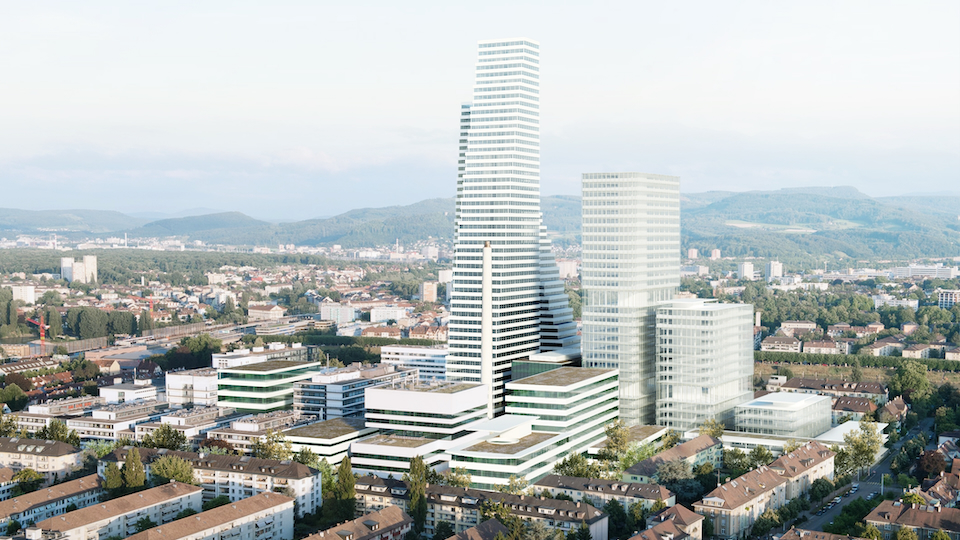
 adobe stock photos - Michael Derrer Fuchs
  adobe stock photos - Sundry Photography