Novo Nordisk Foundation commits DKK 5.5 billion to scale European biotech innovation
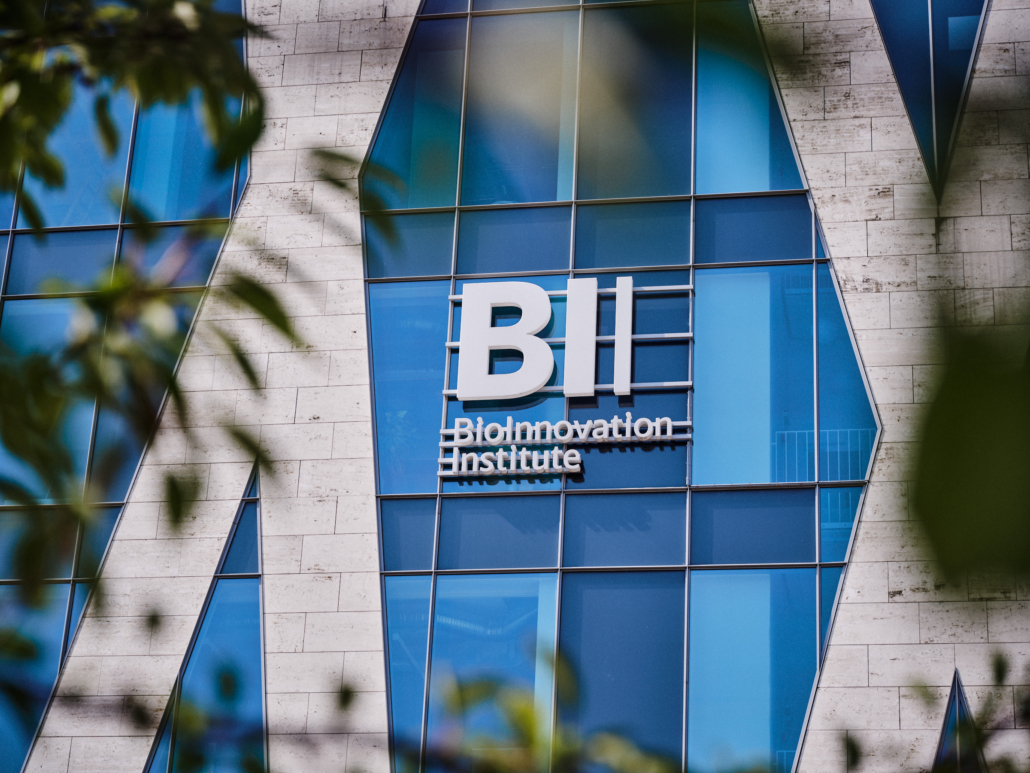
The Novo Nordisk Foundation has committed up to DKK 5.5 billion (€736 million) to the BioInnovation Institute (BII), a Copenhagen-based hub for life science and deep tech entrepreneurship. The long-term funding, running from 2026 to 2035, aims to strengthen Denmark’s innovation capacity while helping Europe turn scientific excellence into companies, jobs and solutions.
The investment comes as Europe faces a persistent gap between research output and commercial impact. While universities and research institutes produce top-tier science, many discoveries struggle to reach the market. The Foundation now wants BII to play a larger role in closing that gap across human health, planetary health and societal resilience.
Scaling a proven innovation model
Since its launch in 2018, BII has built a platform that supports early-stage ventures through funding, infrastructure and hands-on expertise. More than 130 companies have emerged from its Venture Lab, Bio Studio and BII Quantum Lab programs. Venture capital investment in Danish biotech has increased more than fourfold during that period, according to the press release from the Novo Nordisk Foundation.
With the new funding, BII plans to scale up significantly. The institute expects to support more startups each year while keeping a strong focus on life sciences and biotechnology. At the same time, it will expand into fields such as artificial intelligence and quantum technologies, which are increasingly relevant for drug discovery, diagnostics and industrial biotech.
A European ambition
Although BII remains anchored in Copenhagen’s Innovation District, its ambitions extend well beyond Denmark. The institute aims to deepen partnerships with universities, research organizations and innovation hubs across Europe, as well as to act as a bridge between academia, startups, investors and industry. By doing so, it seeks to connect national strengths with a broader European ecosystem.
“We are giving BII the opportunity to expand its reach and further strengthen its position as a European powerhouse for innovation,” said Mads Krogsgaard Thomsen, CEO of the Novo Nordisk Foundation. “This will prove instrumental in securing that even more science is translated into new companies, jobs and solutions benefitting people and our planet.”
Partnerships at the core
Collaboration has been central to BII’s model. The institute has already worked with commercial and philanthropic partners on targeted initiatives. These include efforts with the Gates Foundation and Ferring to advance women’s health (like for instance FimmCyte that develops disease-modifying treatment for endometriosis) as well as newer programs backed by the Villum Foundation and the Lundbeck Foundation in areas such as Power-to-X technologies and brain disease.
Jens Nielsen, CEO of BII, stressed that partnerships will remain essential. “We have proven that our innovation platform is successful, but we cannot push the boundaries of innovation alone,” he said. “Strengthening partnerships will remain a top priority as we continue to develop Denmark’s innovation ecosystem and help ensure Europe’s competitiveness.”
Attracting talent and capital
The fresh capital is expected to make BII even more attractive to investors and entrepreneurs. It will also support closer collaboration with academic institutions across Denmark and Europe. Together, these elements are designed to sustain a vibrant innovation ecosystem, one that helps Europe compete globally by turning science into real-world impact.

 Image by storyset on Freepik
 BioSpring