
 Tecan
TecanThere’s uncertainty and concern about whether AI will replace humans in workplaces. But Marco Ravot-Licheri, Head of Digital – Life Sciences Business at Tecan, told us that AI could increase laboratory productivity and make research more meaningful.

Launched in 2022, the EU Clinical Trials Information System (CTIS) aims to streamline and centralise the process of applying for clinical trial authorisation, but has also increased typical approval timelines. Several nations are now introducing accelerated pathways that jump the queue, offering one of the fastest routes to the clinic in the world for companies navigating this increasingly complex regulatory landscape.
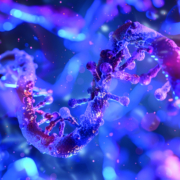
The COVID-19 pandemic transformed RNA technologies into one of the most visible scientific breakthroughs of the decade. mRNA vaccines demonstrated unprecedented speed of development, large-scale manufacturing capability and global deployment, pushing RNA therapeutics into the public spotlight. But according to companies working in the field, the pandemic was not the beginning of the RNA story. Instead, it accelerated technologies that had already been under development for years.
 Bayer AG
A stronger pipeline and new financing give Bayer room to manoeuvre — but investors are still watching one issue: the US glyphosate litigation.
 Wuxi AppTec
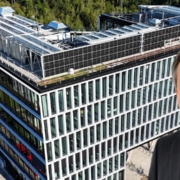
Global science, local innovation: In an interview with European Biotech Magazine, WuXi AppTec Co-CEO Steve Yang explains why Europe remains a key source of scientific innovation, why the company continues to expand its Munich site despite geopolitical tensions, and why trust, quality, and international collaboration are essential for the future of drug discovery.
Targeted protein degradation (TPD) has moved from a highly experimental concept to one of the most closely watched modalities in biopharma. What began with first-generation PROTACs (proteolysis-targeting chimeras) has evolved into a broader “induced proximity” field that now includes molecular glue degraders, degrader-antibody conjugates (DACs), lysosome-targeting chimeras (LYTACs), RNA degraders and other proximity-based therapeutics.

European biotech enters 2026 in a strange, almost contradictory mood. The easy-money years are gone, the post-pandemic correction has done its damage, and investors are no longer rewarding science for being exciting alone. Yet the sector is far from frozen. If anything, 2025 showed that European biotech capital has become more selective, more concentrated and, in many ways, more sophisticated.

Recent preclinical data published in Molecular Therapy suggest the company may be closer than ever to answering that question. Its platform did not emerge from a single discovery programme, but from a sequence of acquisitions that brought together the key ingredients for in vivo cell engineering: mRNA payloads, lipid nanoparticle delivery, and targeted immune-cell guidance. Across big pharma, companies are increasingly assembling in vivo CAR-T platforms piece by piece, raising a broader question about whether the next generation of cell therapy will be built in-house, or bought.
 WhiteLab Genomics
Delivering therapeutic genetic material safely to the correct target in the body is one of the big challenges of modern medicine. We talked to David Del Bourgo, CEO of WhiteLab Genomics, about how AI is helping design a new generation of vectors to tackle neurological diseases.
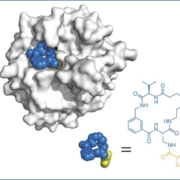 Sevan Habeshian & Christian Heinis et al. https://www.nature.com/articles/s41467-022-31428-
In the evolving landscape of drug discovery and new design, scientists and pharmaceutical innovators continually strive to develop therapies that are both highly selective and clinically effective, while addressing targets previously deemed “undruggable”. In recent years, macrocycles – a class of large, ring-shaped molecules – have emerged as a compelling solution at the crossroads between traditional small molecules and large biologics, offering a blend of high specificity, rich chemical diversity and promising pharmacological profiles.