

PLL Therapeutics reports positive phase I/II data for gut-targeting ALS therapy
The French biopharmaceutical company, PLL Therapeutics, announced positive results from a phase I/II clinical trial for its investigational therapy PLL001 to treat amyotrophic lateral sclerosis (ALS), a progressive neurodegenerative disease that causes degeneration of motor neurons and loss of muscle control.
This first phase of the trial establishes safety and tolerability of the therapy in 12 patients with ALS at three different doses by subcutaneous injection. The trial, which was double-blind and placebo-controlled, resulted in no serious adverse events and no treatment-emergent adverse events that resulted in study discontinuation.
Focusing on the connection between ALS and leaky gut
PL001 is a polypeptide delivery platform based on poly-L-lysine, which can be conjugated with active compounds. This helps increase the half-life of active compounds in the body and allows them to cross the blood-brain barrier. PLL Therapeutics, founded in 2019, applies this polypeptide delivery approach to autoimmune and other neurodegenerative diseases.
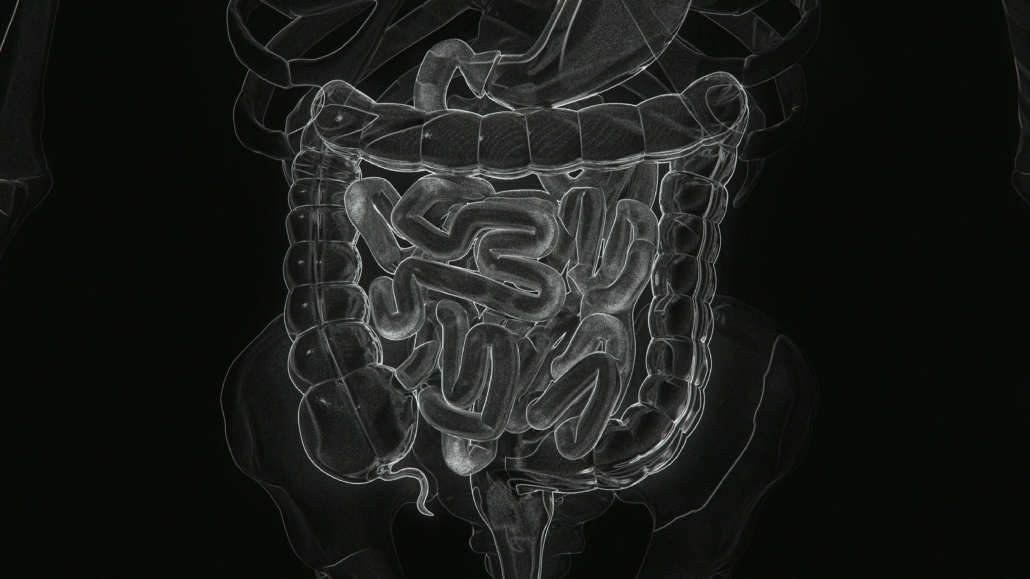
For ALS, the focus is on restoring the gut barrier. Research has found links between ALS and increased gut permeability, which could cause microbes, LPS, and other toxins to leak into the bloodstream and travel to the brain. The goal of PL001 is to reduce this gut permeability by delivering small-chain fatty acids (SCFAs) to the gut epithelium and the blood-brain barrier. Research has shown that SCFAs enhance the tight junctions in the gut epithelium, making it more difficult for harmful substances to cross.
“This is a critical step forward in our mission to restore the intestinal epithelium barrier, thereby treating the root cause of ALS – a disease linked to the dysbiosis of the gut,” said Jean-Pascal Zambaux, co-founder and CEO of PLL Therapeutics.
Advancing to phase II clinical trials
The next stage of the trial will involve 140 ALS patients in Australia and New Zealand, where PLL Therapeutics had opened a subsidiary last year. New Zealand has a disproportionately higher rate of ALS than the global average. This phase will determine how well PL001 targets organs and inflammation, as well as its ability to restore the gut.
There is no cure for ALS and current medications focus on slowing disease progression, in addition to treating symptoms. Currently approved drugs to treat ALS, such as Riluzole and Edaravone, target neuronal protection and oxidative stress, but these don’t address gut permeability. More recently, the French company, MaaT Pharma, is investigating an experimental oral microbiome therapy, MaaT033, that also targets the gut epithelium to treat ALS. Unlike the approach from PLL Therapeutics, which delivers molecules intended to strengthen the gut barrier, MaaT Pharma’s approach delivers an ecosystem of bacteria tailored to a specific indication. They released positive safety and tolerability data in late 2024.
In addition to advancing ALS treatments, PLL Therapeutics is also developing a biomarker panel for early-stage ALS diagnosis.