FDA approves globally first obesity pill
FDA approves Novo Nordisk’s first oral GLP-1 pill Wegovy for obesity, offering an injection-free option and improving long-term treatment adherence.
Novo Nordisk has once again made medical history. Following the success of injectable GLP-1 therapies for obesity and diabetes, the FDA has approved the first oral GLP-1 pill specifically for weight loss: Wegovy. While the oral semaglutide formulation Rybelsus has been available for type 2 diabetes, Wegovy as a pill represents the first FDA-approved oral option for obesity, offering patients an alternative to injections and potentially improving long-term treatment adherence.
The FDA decision represents more than just a new formulation. The once-daily oral semaglutide addresses a critical challenge in obesity care: long-term adherence. With only around 2% of patients in the US currently receiving pharmacological obesity treatment, an oral option could significantly enhance adherence. “Patients and healthcare professionals need options that fit daily life,” said Novo’s Jason Brett.
Efficacy
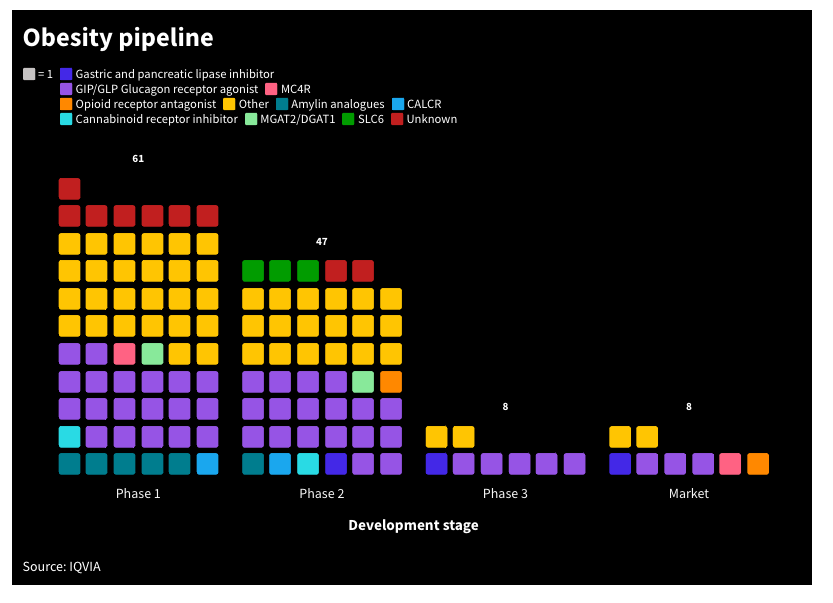
FDA approval was supported by the Phase III OASIS-4 study, in which patients taking oral Wegovy achieved an average weight loss of 16.6%, compared with 2.7% in the placebo group. This effect closely mirrors results from the subcutaneous version. An indirect comparison presented at ObesityWeek 2025 confirmed comparable clinical efficacy between the oral and injectable forms, with only minor advantages for the injection. However, recent Phase III data for the trifunctional GLP-1/GIP/Glucagon receptor agonist retatrutide show average weight loss of around 28.7%, significantly exceeding results from GLP-1 monotherapy. It remains to be seen whether the oral Wegovy formulation can compensate for this efficacy gap over the long term and if new drugs will solve the problem of muscle loss
Partial success
Regulatorily, Novo maintains a lead over the world leader in obesity medications, Eli Lilly. Lilly’s oral GLP-1 molecule, Orforglipron, is also under FDA review. In the Phase III ATTain-1 trial, Orforglipron achieved weight loss of around 11–12%, though there was a notable discontinuation rate due to gastrointestinal side effects.
Novo’s advantage draws on experience with Rybelsus, approved for type 2 diabetes in 2019. Leveraging this platform, the company has invested in optimising bioavailability and tolerability, key factors for long-term treatment adherence.
The market potential is significant. According to J.P. Morgan Research, the GLP-1 medication market – covering both diabetes and obesity – is projected to exceed $100 billion by 2030 though price cuts in the US. At the same time, Novo faces pressure: its market capitalisation fell by around 39% during 2025. Other competitors, including Pfizer, AstraZeneca, and Roche, are developing oral or non-peptidic GLP-1 alternatives. .
Driving oral formulations forward
Whether oral Wegovy will replace injections remains uncertain. While the oral formulation may improve adherence, weekly injections may continue to be preferred due to superior bioavailability and tolerability. Success will depend on how Novo optimises use and manages competitive pressure.
Novo is also advancing research to improve oral peptide therapies. In partnership with BioMed X, the company is working on optimising the bioavailability of semaglutide and similar peptides, aiming to enhance absorption and targeted release in the lower small intestine, potentially increasing efficacy and adherence for oral obesity treatments.