


Millions for Preclinical Immunology: Boehringer Teams Up with Immunitas
German Boehringer Ingelheim is doubling down on next-generation autoimmune therapies with a deal worth up to €407.5m for a preclinical Immunitas (USA) antibody programme. The agreement highlights the growing race for selective immune-cell depletion approaches — and adds another strategic win for Novartis-, Merck-, Bayer- and Evotec-backed Immunitas.
With another immunology deal, Boehringer Ingelheim is further expanding its footprint in the fast-moving field of cell-selective autoimmune therapies. Global rights to a preclinical antibody programme from Immunitas Therapeutics could be worth up to €407.5m in total, underlining how competitive the race for next-generation inflammation therapies has become.
Under the licensing agreement, Boehringer gains access to a preclinical antibody designed to selectively eliminate disease-driving immune cells involved in chronic inflammatory and autoimmune disorders.
Interestingly, Immunitas — based in Waltham, Massachusetts — is also part of Evotec’s investment portfolio. The company launched in 2019 with US$39m in financing and added another US$58m in a Series B round in 2021, backed by investors including the venture arms of Novartis, Merck KGaA and Bayer. Immunitas initially focused on anti-CD161 antibodies for solid tumours and haematological cancers, but has increasingly explored the underlying immune biology in autoimmune disease settings as well.
Target remains undisclosed
Boehringer has not revealed the precise target of the newly licensed programme. The company only stated that the antibody is intended to selectively deplete cells that “play a central role in chronic inflammatory processes”. That marks a shift away from traditional anti-inflammatory approaches, which typically block individual cytokines or signalling pathways. Instead, the industry is increasingly focusing on the selective depletion of pathogenic immune-cell populations.
This has become one of the hottest areas in immunology. Much of the momentum came from the striking clinical responses seen with CAR-T cell therapies in severe autoimmune diseases such as lupus, where eliminating autoreactive B cells has produced durable remissions in some patients.
As a result, companies across the sector are now investing heavily in targeted immune-cell depletion strategies — via cell therapies, antibodies and T-cell engagers alike. The attraction is clear: achieving CAR-T-like efficacy with more scalable and potentially far less expensive off-the-shelf approaches. While classical B-cell depletion using anti-CD20 antibodies such as Rituximab has shown clinical benefit for years, the depth and durability of responses seen with CAR-T approaches have fuelled speculation that additional immune mechanisms may be involved.
Boehringer intensifies dealmaking activity
Boehringer has emerged as one of the more active business development players in the field. In 2025, the company signed an autoimmune partnership with CDR-Life, paying US$48m upfront for rights to a trispecific T-cell engager aimed at eliminating pathogenic B cells. Over recent years, the German pharma group has also expanded through partnerships spanning fibrosis, immunology and oncology, including collaborations with Cue Biopharma and Enleofen Bio.
Across the industry, the focus is increasingly shifting towards more precise forms of immune modulation. While B-cell depletion has become a crowded space, a smaller number of companies are now moving towards selective targeting of pathogenic T-cell populations. Immunitas belongs to this relatively exclusive group.
Still, the field remains high-risk. Abcuro recently reported a setback after its anti-KLRG1 antibody ulviprubart failed in a Phase II/III study. Even so, enthusiasm around the broader therapeutic concept remains high, particularly because many patients with severe autoimmune diseases continue to respond inadequately to existing therapies.
For Evotec, the transaction provides another example of how strategic equity holdings within its innovation network can mature into valuable business assets. In recent years, the Hamburg-based company has increasingly relied on investments, platform partnerships and shared drug development programmes to complement its traditional research-services business and create additional value streams. Whether this strategy will continue to play a similarly prominent role in the future, however, remains an open question.
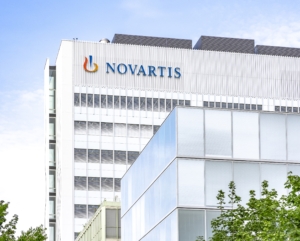 Novartis
 Moderna
 Bayer AG