

Faster to the bedside: Collaboration in cell therapy of Fresenius Kabi and TQ Therapeutics
Fresenius Kabi and TQ Therapeutics have entered into a strategic development agreement in cell and gene therapy. Fresenius Kabi receives an exclusive licence to develop, manufacture and distribute products incorporating TQ’s cell selection technology. The aim is to enable more scalable, efficient cell therapy production and broader, more cost-effective patient access.
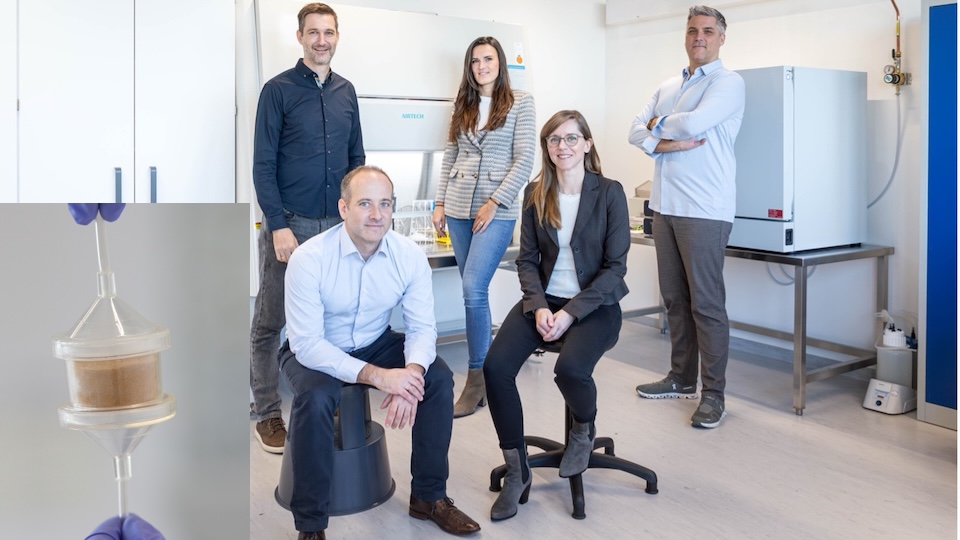
A small Bavarian cell therapy company is seeking to demonstrate that highly individualised manufacturing steps can be delivered faster and at lower cost. The approach, still preclinical, involves modifying cells directly close to the patient during blood exchange using a dedicated device. Fresenius Kabi has taken notice and entered into a collaboration. The question is whether cell therapy could evolve into a far simpler routine procedure, comparable to dialysis, because the TQ Therapeutics device offers all possible modification application to take place within the cell harvesting collection point.
TQ Therapeutics came only slightly under the radar after acquiring Juno Therapeutics GmbH, the German subsidiary of CAR-T pioneer Juno Therapeutics Inc. (earlier acquired by Bristol Myers Squibb). In the context of the current in-vivo CAR boom, driven by multi-billion-dollar deals, TQ’s patient-proximate application technology is now ready to gain more attention. Developed together with Fresenius Kabi, it aims to combine the safety profile of ex-vivo cell therapy with the advantages of in-vivo gene therapy.
Cell therapy at the bedside
The companies have already collaborated under the EU-funded EASYGEN project, which provided €8 million to optimise manufacturing processes. The new partnership goes further. Central to TQ’s strategy is a decentralised, scalable and highly automated platform to generate therapeutic cells directly at the point of care – a major challenge in personalised medicine.
TQ’s cell selection technology is based on a reversible streptavidin–biotin process, enabling gentle and highly selective isolation of T cells from whole blood. Fresenius Kabi will manufacture the technology and integrate it into its Cue® system, laying the groundwork for a point-of-care device that could bring CAR-T therapy closer to patients.
Democratising treatment outcomes
CAR-T therapies have delivered impressive results, particularly in haematological cancers, and are now expanding into autoimmune diseases. However, high costs and limited success in solid tumours have tempered expectations. For TQ CEO Christian Eckert, the acquisition of Juno’s rights was a strategic step to advance a radically shortened extracorporeal cell and gene therapy approach and make it broadly accessible.
TQ’s platform integrates blood collection, cell enrichment, genetic modification and reinfusion in a closed, automated system that can be used at the bedside. The goal is to enable hybrid extracorporeal in-vivo therapies, delivering personalised immunotherapy in under five hours. While still preclinical, the approach is attracting strong interest, not least because of its safety profile and potential to significantly reduce costs and safe time for the endangered patient.
 Novartis
 Boehringer Ingelheim
 Rentschler Biopharma SE