
Beyond the main headlines, European biotech kept moving this week. This edition of Meanwhile in Biotech covers an Alzheimer’s program dropped from Novartis’ pipeline, a Swiss biotech’s Nasdaq ambitions, a hepatitis B approval and new directions in RNA medicines and neuroscience.

ADVERTISEMENT
The Belgian biotech company Spica Therapeutics, specialist for Macrophages biology, appointed Jeff Abbey as new Chief Executive Officer in October.
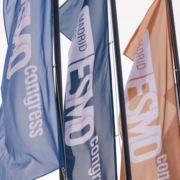
The European Society for Medical Oncology (ESMO) Congress is one of the biggest events on the cancer research calendar, where clinical results can reshape treatment decisions and drug developers’ prospects. This year, Immatics presented new data for its PRAME-targeting therapies, BioNTech expanded the evidence for its bispecific antibody pumitamig, and AstraZeneca reported survival gains across several cancers. Here’s our roundup of the most important announcements from European biopharma.
Germany-based cancer immunotherapy specialist Immatics presented updated clinical data for two PRAME-targeted drug candidates at the ESMO Congress 2026 in Madrid. Particularly striking is the survival signal for the bispecific T-cell engager IMA402: In a subgroup of patients with advanced melanoma and high PRAME expression, 91% were still alive after one year. Median overall survival had not yet been reached at the time of analysis.
Sweden’s Spago Nanomedical will ask shareholders on Nov. 19 to approve delisting from Nasdaq First North, arguing that its listing obstructs financing on acceptable terms for Phase 2a development of its Tumorad radiopharmaceutical in head and neck cancer.
AI can already reduce administrative work, improve decision-making and streamline parts of clinical development. But its impact is often overstated. Evidenze’s Raphaela Schnurbus explains where AI is delivering measurable value today, where human expertise remains essential and what biotechs should ask before buying in.
Inspired by technology and insights gleaned from cancer research, Europe is leading the quest for a new generation of therapies in immunology and inflammation. Immunotherapy has revolutionised cancer therapy and become standard of care in many areas of oncology but it has also begun to change outcomes in inflammatory and autoimmune diseases.
Denmark’s Genmab has reported that its antibody-drug conjugate rinatabart sesutecan (Rina-S) reduced the risk of progression or death by 71% and the risk of death by 57%, compared with conventional chemotherapy in a 584-patient Phase 3 trial of platinum-resistant ovarian cancer. It has also released updated colorectal cancer data for its bispecific antibody petosemtamab.
Swiss big pharma Roche has agreed to license ZW209, an experimental cancer immunotherapy from Vancouver-based Zymeworks, for $55 million upfront and up to $758 million more in conditional payments, plus royalties on future sales. The agreement returns Roche to DLL3, a lung cancer target it previously pursued with a different antibody.
Every Friday, The Leadership Edit follows people taking new roles across European biotech and what their moves may tell us about the companies they join. This week: a hearing-loss specialist adds clinical leadership, a radiopharmaceutical developer strengthens drug discovery and a gene-editing company changes finance chief.


Spica Therapeutics