


Infex reports Phase IIa win for anti-Pseudomonas antibody
A new monoclonal antibody approach could add an infection-directed option to the changing treatment landscape for non-cystic fibrosis bronchiectasis.
UK-based Infex Therapeutics has reported positive Phase IIa data for RESP-X, its first-in-class anti-virulence monoclonal antibody for non-cystic fibrosis bronchiectasis patients colonised with Pseudomonas aeruginosa. The randomised, double-blind, placebo-controlled dose-ranging trial met its primary objective, showing that RESP-X was safe and well tolerated in this high-risk patient group. The study also met secondary objectives, with favourable pharmacokinetics, no detected immunogenicity and lung deposition supporting a potential quarterly dosing schedule.
The data, presented at the American Thoracic Society 2026 International Conference in Orlando, add to a field that has recently started to move beyond symptomatic management. In August 2025, the US FDA approved Insmed’s brensocatib, marketed as Brinsupri, for non-cystic fibrosis bronchiectasis in patients aged 12 years and older, making it the first FDA-approved therapy for the disease. Brensocatib is a DPP1 inhibitor designed to reduce neutrophilic inflammation and pulmonary exacerbations, rather than directly targeting bacterial colonisation.
That distinction is important for RESP-X. Chronic P. aeruginosa infection remains one of the major drivers of poor outcomes in bronchiectasis, including recurrent exacerbations, hospitalisation risk and progressive lung damage. Current European guidance strongly supports long-term inhaled antibiotics for patients with chronic P. aeruginosa infection who are at high risk of exacerbations, underlining that infection-directed care remains a separate therapeutic need even as anti-inflammatory disease-modifying drugs enter the market.
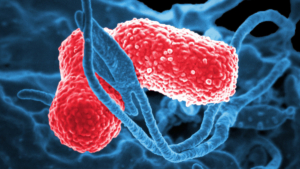
RESP-X, also known as INFEX702, is designed to disarm P. aeruginosa rather than kill it directly. The humanised IgG4 antibody targets PcrV, a protein in the bacterium’s Type 3 Secretion System, a virulence mechanism used to inject toxins into host cells. By blocking this system, Infex aims to reduce tissue damage and help the immune system regain control of infection, potentially lowering the selective pressure associated with conventional antibiotics.
In the Phase IIa study, conducted at Liverpool University Hospitals NHS Foundation Trust Clinical Research Facility, patients received either 6 mg/kg or 10 mg/kg RESP-X. No severe or life-threatening treatment-emergent adverse events related to the drug were reported, and no adverse events led to withdrawal. Infex also reported no systemic or infusion-site reactions. Pharmacokinetic data showed a half-life of 28.8 days, with the 10 mg/kg dose maintaining serum coverage above the target needed to support quarterly dosing. Lung epithelial lining fluid exposure was confirmed 48 hours after dosing.
Although the study was not powered as a definitive efficacy trial, Infex pointed to encouraging early signals. All P. aeruginosa isolates collected from patient sputum encoded the RESP-X target, and all target sequences identified were known to bind the antibody. Pa-positive patients experienced fewer exacerbations between day 1 and day 180 compared with the previous 12 months, although this early efficacy signal did not reach conventional statistical significance (P=0.08).
The company now plans to engage regulators on the next efficacy study in P. aeruginosa-colonised bronchiectasis. If successful, RESP-X could occupy a complementary position in the bronchiectasis treatment pathway: not as a replacement for brensocatib or inhaled antibiotics, but as a targeted anti-virulence strategy for patients in whom chronic P. aeruginosa colonisation continues to drive exacerbation risk.
 ICPO
ICPO BioNTech
 David Dorward; Ph.D.; National Institute of Allergy and Infectious Diseases (NIAID)