
PL BioScience: Pioneering the Future of Cell Culture
With the promise of transformative treatments, cell therapies are rising across oncology, regenerative medicine, and stem cell applications. PL BioScience supports this evolution with Human Platelet Lysate (HPL) and soon, the first artificial HPL, while expanding production in Aachen to continue to deliver this high-quality cell culture supplement worldwide.
Cell therapies are growing in importance across regenerative medicine and oncology, driven by stem cell, CAR-T- and TCR-T-therapies with increasingly sophisticated second, third or fourth generation platforms. As these fields expand, so does the need for reliable, human-compatible cell culture and manufacturing supplements, making Human Platelet Lysate (HPL) increasingly important.
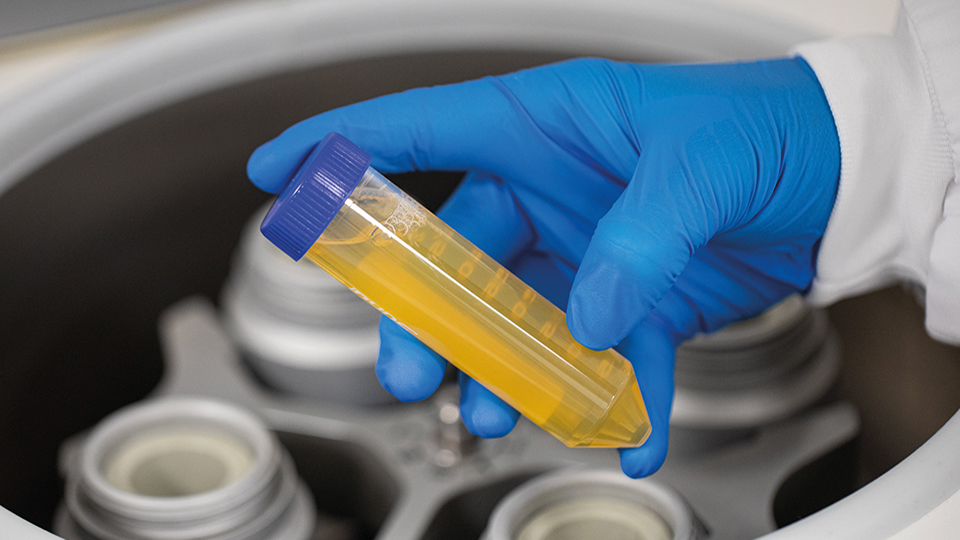
HPL is a human-derived supplement used in cell culture and offers a safe and high-performing alternative to traditional animal serum like fetal bovine serum (FBS). Produced from platelets no longer suitable for transfusion, HPL provides essential growth factors and signaling molecules that support cell proliferation and functionality. Its human origin makes it particularly suited for applications intended for humans, including clinical trials and the production of cell therapy products.
PL BioScience, based in Aachen, Germany, has become a leading provider, supplying the only EU-based source of HPL. The company’s products serve broad-ranging research and therapeutic development across the growing cell therapy landscape. However, supply depends on donor platelets, which are a finite resource.
Artificial HPL from Aachen
To prepare for the growing demand in regenerative medicine and cell therapy, PL BioScience has pioneered an innovative technology: artificial HPL (aHPL). Building on its expertise in natural HPL, the company has developed aHPL, produced from lab-grown platelets using proprietary technology in partnership with DewCell Biotherapeutics (South Korea). This novel approach preserves the advantages of natural HPL. At the same time, it introduces full scalability, paired with batch consistency, and an entirely animal-free production process. While not yet commercially available, aHPL represents a key step toward meeting future demand for high-quality, human-compatible cell supplements in regenerative medicine and advanced cell therapies.
Scaling Production
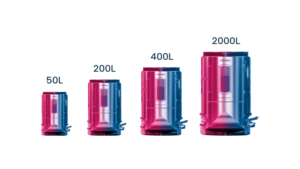
To support both current and future needs, PL BioScience is expanding its headquarters in Aachen. The upgraded facility will consolidate research, development, and GMP-compliant production under one roof, with an annual output capacity of up to 20,000 liters of HPL. This will position the company as the world’s largest HPL supplier, strengthening Europe’s independent access to this critical resource, while laying the foundation for further international expansion, including a broader footprint in Asia.
Future-Ready Strategy
For PL BioScience, the strategy is clear: serve today’s market while preparing for the rise of next-generation cell therapies enabled by clinical advances and regulatory approvals. Natural HPL supports current research and production, while aHPL and expanded manufacturing in Aachen aim to solve the scalability problem that will limit advanced therapies in the future. As cell-based treatments push toward broader commercialization, the upstream technologies that enable them become as crucial as the therapies themselves.
This article from Dr. Hatim Hemeda, CEO & Founder, PL BioScience GmbH, was originally published in European Biotechnology Magazine Winter 2025.