Three in One Go: LimmaTech, Curevo, Vaccine Company
Shopping spree at Eli Lilly? The US pharma giant is acquiring no fewer than three companies, all active in infectious diseases. Among them is Swiss biotech LimmaTech Biologics AG, led by former CureVac CEO Franz-Werner Haas. Yet Lilly’s ambitions extend well beyond classical infectious disease markets, targeting areas ranging from autoimmune disorders and antimicrobial resistance to chronic immune dysfunction and even cancer.
With these three acquisitions, Eli Lilly and Company is significantly expanding its infectious disease activities. From a European perspective, the centrepiece is clearly the acquisition of LimmaTech Biologics in Schlieren near Zurich. Lilly will pay up to US$780 million for the clinical-stage vaccine company, including milestone-based payments.
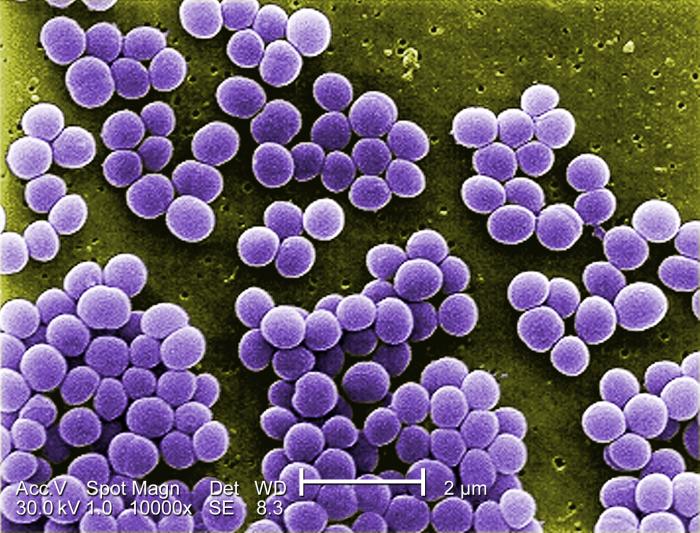
LimmaTech develops vaccines against bacterial pathogens for which rising antibiotic resistance is steadily limiting treatment options. Its focus includes Staphylococcus aureus, gonorrhoea and chlamydia. The company’s lead programme, LTB-SA7, is currently in Phase I development and aims to prevent post-surgical infections caused by S. aureus, one of the leading causes of hospital-acquired infections worldwide. LimmaTech’s platform is designed to trigger targeted immune responses against bacterial toxins and so-called superantigens.
Three acquisitions, one strategy
For Lilly, the deal fits into a broader strategy of preventing infectious diseases before they lead to serious long-term complications. Chief Scientific Officer Daniel Skovronsky highlighted growing evidence linking infections to neurological disorders, cancer and infertility later in life. Against the backdrop of increasing antimicrobial resistance, vaccines may become one of the most important preventive tools available.
Alongside LimmaTech, Lilly is also acquiring US-based Curevo Inc. for up to US$1.5 billion. The Seattle-area biotech is developing better tolerated and more accessible vaccines against infectious diseases. Its lead product, Amezosvatein, is a non-mRNA shingles vaccine that has already shown competitive Phase II results against established products.
The transaction is also a success story for Swiss investor HBM Healthcare Investments, which invested US$13.3 million in Curevo’s Series B financing round in March 2025 and holds around 4.8% of the company. According to HBM, the acquisition increases its net asset value by around CHF 4 per share.
In addition, Lilly is acquiring Vaccine Company, Inc. for up to US$1.55 billion. Its proprietary platform technology is intended to enable next-generation vaccines against viral pathogens such as Epstein-Barr virus, which has been linked to multiple sclerosis and several cancers.
Combined, the three acquisitions amount to more than US$3.8 billion and mark a major expansion of Lilly’s vaccine and infectious disease portfolio. While the company has recently attracted attention primarily through multi-billion-dollar investments in obesity and diabetes therapies, the focus is now increasingly shifting towards the prevention of infectious diseases and their long-term consequences.
Obesity revenues fuel acquisition spree
Lilly has already spent heavily in recent years to strengthen its pipeline in obesity, immunology, oncology and infectious diseases. In 2024, the company acquired Morphic Holding for around US$3.2 billion to strengthen its oral therapies for inflammatory bowel disease. In 2023, Lilly bought obesity specialist Versanis Bio for up to US$1.93 billion. Other deals included DICE Therapeutics, POINT Biopharma and, most recently, the cancer programme of Scorpion Therapeutics for up to US$2.5 billion.
Altogether, Lilly has now spent well over US$20 billion on larger acquisitions and licensing deals in recent years. The company is using the enormous cash flow generated by blockbuster obesity drugs Mounjaro and Zepbound to systematically acquire new technology platforms and clinical programmes — increasingly beyond traditional metabolic disease markets.
Already the world’s most valuable pharmaceutical company, Lilly’s latest acquisitions are likely to strengthen that position even further. Over the past five years, Lilly’s share price has nearly quintupled and is once again approaching its all-time high of around US$1,077 per share. The company’s market capitalisation has surpassed the US$1 trillion mark.
 Ethris
 Nuclidium AG