
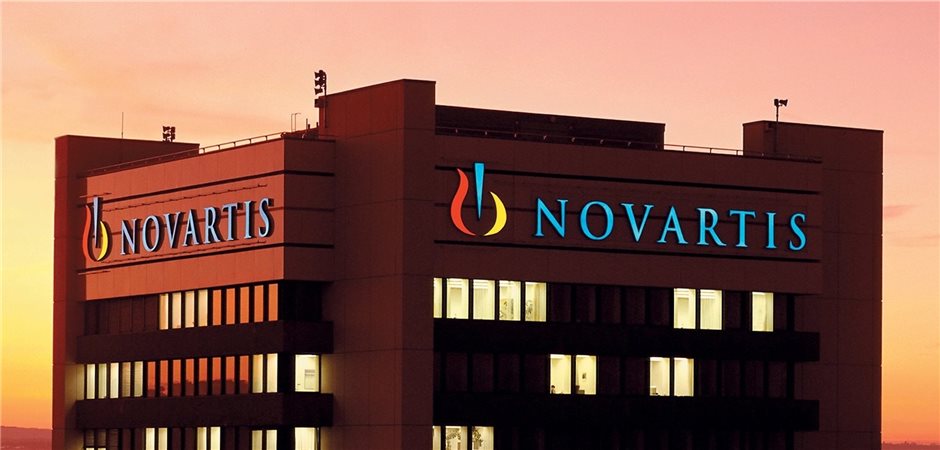
Something of a shopping spree: Novartis to acquire US-based Excellergy for up to $2bn
Novartis is back on the acquisition trail, agreeing to buy California-based Excellergy for up to $2bn. The antibody Exl-111 is intended to strengthen its allergy pipeline and go beyond the current standard of care. The deal is part of a broader string of acquisitions aimed at systematically expanding the group’s innovation base.
The life of a biotech company can be short—and if it appears on the fast-spinning takeover radar of Novartis, it may be shorter still. That is the case for Excellergy, which only drew wider attention in mid-October with a $70m Series A financing round—apparently also catching the eye at Novartis headquarters in Basel.
The Swiss pharma group is thus pressing ahead with its buying spree in innovative medicines, once again focusing on immunology. With the planned acquisition of Excellergy, Novartis secures a promising early-stage programme targeting allergic diseases. The deal is valued at up to $2bn, including upfront and milestone payments.
Trifunctional approach to immunoglobulin E
At the centre is the antibody candidate Exl-111, currently in Phase I trials. Unlike existing therapies, it not only targets free circulating immunoglobulin E (IgE) but is also designed to detach IgE already bound to immune cells, potentially enabling faster and deeper suppression of allergic signalling pathways. These pathways play a key role in conditions such as food allergies, chronic urticaria and allergic asthma.
Strategically, Novartis is building on its blockbuster Xolair, which also targets the IgE pathway but is likely to face biosimilar competition in the future. Exl-111 is conceived as a next-generation extension of this validated mechanism and could complement the existing allergy portfolio, both in terms of efficacy and convenience.
Novartis stays on a shopping spree
The transaction also underlines the Basel-based group’s consistent expansion strategy. In recent months, Novartis has struck a series of deals to broaden its pipeline and gain access to innovative platforms and early clinical programmes, with a particular focus on high-growth therapeutic areas such as immunology, oncology and gene therapy. Hardly a week goes by without the company announcing a new partnership or acquisition.
Last year alone, Novartis spent an estimated $17–18bn on acquisitions (dominated by the takeover of Avidity), with additional collaboration and licensing deals potentially adding another $10–15bn in milestone payments. In total, external pipeline expansion amounted to around $30bn. This trajectory has continued into the current year, including a billion-dollar-plus collaboration with Unnatural Products and an asset deal with Synnovation Therapeutics that could reach up to $3bn.
With the Excellergy acquisition, Novartis is following this established pattern while also sending a clear signal: rather than focusing on late-stage, high-cost product acquisitions, the company is increasingly targeting differentiated technologies and mechanisms of action at earlier stages of development. The aim is to secure long-term competitive advantages—particularly in markets where established blockbusters are coming under pressure from follow-on products.
Whether it will ultimately succeed in advancing this “bouquet” of acquired assets—often based on very different scientific approaches and lacking a clear molecular connection, united primarily by their promising efficacy profiles—within a single organisational and clinical development framework remains uncertain. What currently appears to be a prudent strategy to mitigate the looming patent cliff could, in hindsight, resemble a scattergun buying spree if only a fraction of these programmes reach the finish line. A definitive judgement, however, is unlikely to be possible for another decade.
 adobe stock photos - Michael Derrer Fuchs
  Roche
Roche Unsplash+