Ritzey buys little-known French biotech Perha and its sea sponge-inspired drug
U.S. biotech Ritzey Therapeutics, led by Intra-Cellular Therapies founder Sharon Mates, has acquired France's Perha Pharmaceuticals and launched with a $112.5 million (€102.8 million) Series A. The deal gives the new company a clinical-stage drug program originally developed for cognitive disorders that it now plans to advance in Down syndrome and diabetes.
French connection: Ritzey’s acquisition of Perha brings a portfolio of small-molecule inhibitors of DYRK1A, an enzyme involved in neurological function and the regulation of insulin-producing pancreatic cells. The purchase price was not disclosed. Ritzey said the scientists who developed Perha’s programs will join the U.S. company, but gave no details about the future of its research operations in Roscoff, Brittany.
The acquisition comes alongside a $112.5 million Series A led by Vida Ventures, with backing from EcoR1 Capital, Fidelity Management & Research Company, Perceptive Advisors, Montanova, Alexandria Venture Investments, and FMB Research LLC. The financing will support clinical development, including Phase 2 studies of Ritzey’s lead candidate.
From sea to clinic: Perha’s story began far from the U.S. venture capital scene. Founded in 2019 by Laurent Meijer, a former research team leader at the Roscoff Biological Station, the French biotech built its research around molecules inspired by marine organisms.
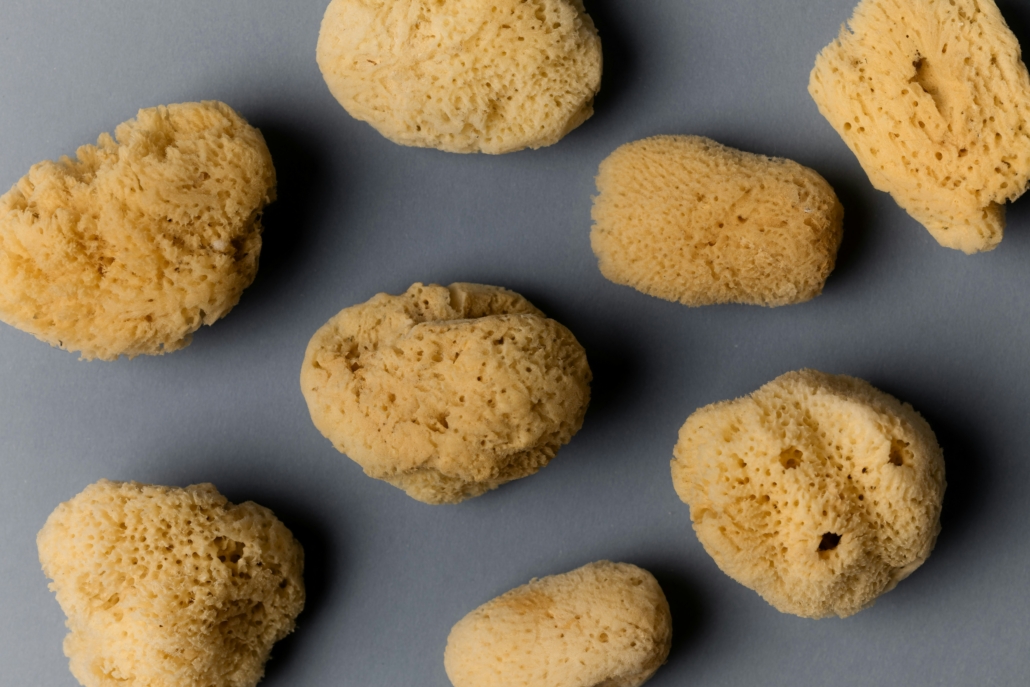
Its most advanced drug candidate, Leucettinib-21, traces its origins to leucettamine B, a compound identified in a marine sponge. Researchers synthesized and optimized hundreds of related molecules before selecting a candidate suitable for oral administration.
The target was DYRK1A, a protein kinase encoded on chromosome 21. People with Down syndrome have an extra copy of that chromosome, leading to increased expression of the enzyme. Researchers believe excessive DYRK1A activity contributes to learning and memory difficulties and may also play a role in Alzheimer’s-related pathology. Perha’s strategy was to inhibit the enzyme and potentially improve cognitive function in people with Down syndrome or Alzheimer’s disease.
Getting the molecule into human testing took years of development and successive funding rounds. Perha raised €3.1 million in 2021, secured a €2.5 million European Innovation Council grant and raised another nearly €3.1 million in September 2024 to complete Phase 1 development.
Its Leucettinib-21 trial eventually enrolled 152 participants and finished in June 2026. Conducted in France, the study primarily assessed safety, tolerability and how the drug behaves in the body, including single-dose testing in adults with Down syndrome or Alzheimer’s disease.
Ritzey describes its lead candidate as a once-daily oral DYRK1A inhibitor that has completed Phase 1 testing. However, it did not identify the molecule by name in its launch announcement or disclose detailed clinical results.
A familiar name: In its European Innovation Council project description, Perha had already outlined plans to license Leucettinib-21 to a larger pharmaceutical company following successful Phase 2a development. Two potential partners were mentioned: Otsuka Pharmaceuticals and Intra-Cellular Therapies.
The latter was founded in 2002 by Sharon Mates, who went on to build it into a commercial neuroscience company around Caplyta, a treatment for schizophrenia and bipolar depression. Mates led Intra-Cellular through its $14.6 billion acquisition by Johnson & Johnson, announced in January 2025. She has since reunited with several former executives, including chief scientific officer Robert Davis and chief financial officer Lawrence Hineline, to establish Ritzey.
The French biotech therefore ended up being acquired by a company founded by the former CEO of one of its prospective licensing partners, rather than following its original plan to outlicense after Phase 2a. Whether Perha and Intra-Cellular held discussions before Mates left the company is unknown. The company did not answer our questions prior to publication of this article.
Beyond the brain: While Perha’s clinical development focused on cognitive disorders, Ritzey is putting considerable emphasis on another potential application of DYRK1A inhibition: diabetes.
The enzyme also regulates pancreatic beta cells, which produce insulin. In preclinical diabetes models, blocking DYRK1A has improved beta-cell function and blood glucose control, according to Ritzey. The company says these effects persisted after treatment stopped. That gives the acquired technology a potential role beyond neurological disease, although whether the preclinical findings translate into meaningful clinical benefits remains to be seen.
What’s next: Ritzey now plans Phase 2 studies to assess beta-cell function in people with type 1 and type 2 diabetes. In people with Down syndrome, it also intends to investigate beta-cell function and tau pathology, which is associated with Alzheimer’s disease. The company has not announced trial start dates or a separate Alzheimer’s study.
For Perha, the acquisition marks a new stage after years of research and fundraising to bring its DYRK1A inhibitors into the clinic. The $112.5 million financing gives Ritzey considerably more resources to pursue that ambition. What remains to be demonstrated is whether inhibiting DYRK1A can deliver the neurological or metabolic benefits seen in preclinical research.