
ProQR validates RNA editing platform and raises $59.2m
ProQR has reported the first clinical target-engagement data for its Axiomer RNA editing platform, while pricing a share offering and concurrent private placement that includes existing partner Eli Lilly.
Why it matters: The Leiden-based biotech has spent the past few years repositioning itself around ADAR-mediated RNA editing, a technology that uses naturally occurring enzymes in the body (called ADARs) to make precise changes to RNA molecules, effectively correcting or modifying how genes are expressed without altering the underlying DNA. The newly reported Phase 1 data for AX-0810, a candidate targeting cholestatic liver disease, therefore serve as an early test of whether ProQR’s editing oligonucleotides can produce a measurable biological effect in humans.
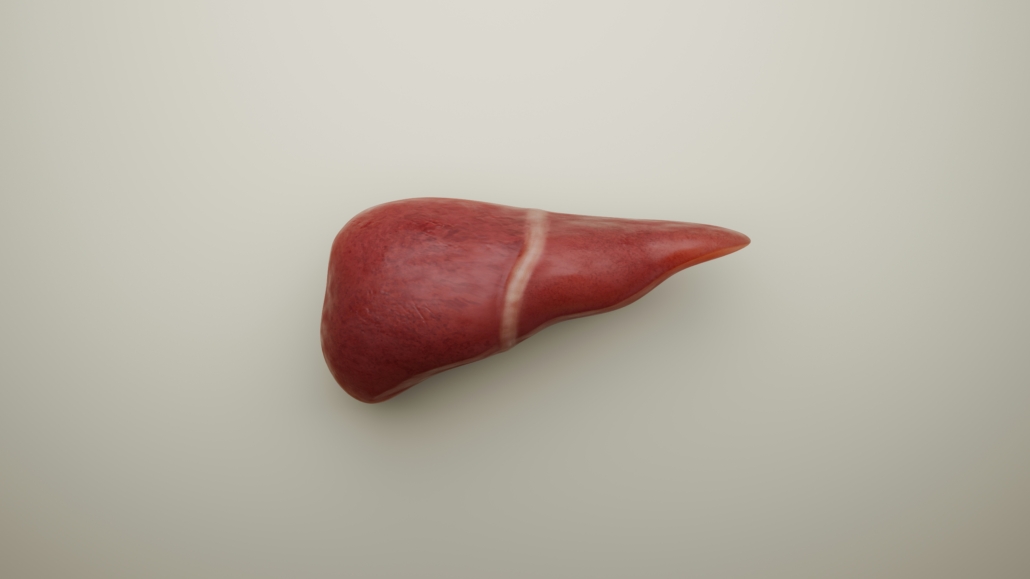
How it works: AX-0810 is a GalNAc-conjugated RNA editing oligonucleotide designed to modulate NTCP, a transporter involved in bile acid uptake into the liver.
By the numbers: In the ongoing Phase 1 multiple ascending dose study in healthy volunteers, ProQR said the 3 mg/kg and 6 mg/kg cohorts showed dose-dependent target engagement across predefined biomarkers. The company reported up to an eight-fold increase in total bile acids in serum at 6 mg/kg, well above the two-fold threshold it had identified as meaningful evidence of NTCP modulation.
- The company also reported concordant changes in conjugated bile acids and tauroursodeoxycholic acid (TUDCA) – a bile acid often used as a marker of bile acid metabolism and liver function –, no serious adverse events or pruritus in the evaluated cohorts, and pharmacokinetic data supporting sustained target engagement, including an estimated half-life of eight weeks.
What’s next: The company expects to submit a clinical trial application for AX-0811 in mid-2026 and report initial healthy volunteer data by year-end.
- ProQR plans the Phase 2 study to be in paediatric biliary atresia, a rare and serious liver disease in infants where the bile ducts are blocked or absent. The trial will be run in China, with initial data targeted for the first half of 2027. A potentially registration-enabling Phase 2 programme could start in mid-2027, subject to regulatory discussions.
Between the lines: Lilly is buying about $9.2m of shares in a concurrent private placement, enough to maintain its pro rata ownership.
- Lilly has been tied to ProQR’s Axiomer platform since 2021, when the companies entered a licensing and research collaboration focused on genetic disorders in the liver and nervous system. That deal gave ProQR $50m in upfront and equity funding and up to about $1.25bn in potential milestones.
- The partnership was expanded in 2022, adding more targets in the central and peripheral nervous system. Across the original and expanded agreements, ProQR became eligible for up to about $3.75bn in milestones, plus tiered royalties.
One more thing: ProQR used the positive announcement to price a $50m underwritten registered direct offering at $1.81 per share and is issuing 27.6m new shares in that offering. Together with Lilly’s 5.1m shares in the concurrent private placement, the company is adding roughly 32.7m shares.
Yes, but: That is meaningful dilution for a company that reported about 105m shares outstanding at the end of Q1. Investors reacted negatively despite the positive clinical result and the stock lost around 22% of its value after the announcement.
What we’re watching: ProQR is not the first company to pursue NTCP modulation in cholestatic liver disease.
- Ipsen inherited A2342, an NTCP inhibitor, through its $952m acquisition of Albireo in 2023. Ipsen has since stopped actively developing the liver-disease candidate. A2342 completed a first-in-human trial in September 2023, but Ipsen’s own trial summary said there were no ongoing trials, and the asset was not listed in Ipsen’s pipeline.
- Ipsen also inherited Bylvay, an approved IBAT inhibitor used to treat cholestatic pruritus in rare liver diseases. Ipsen is now trying to expand Bylvay’s reach, with a Phase 3 trial ongoing in children with biliary atresia.