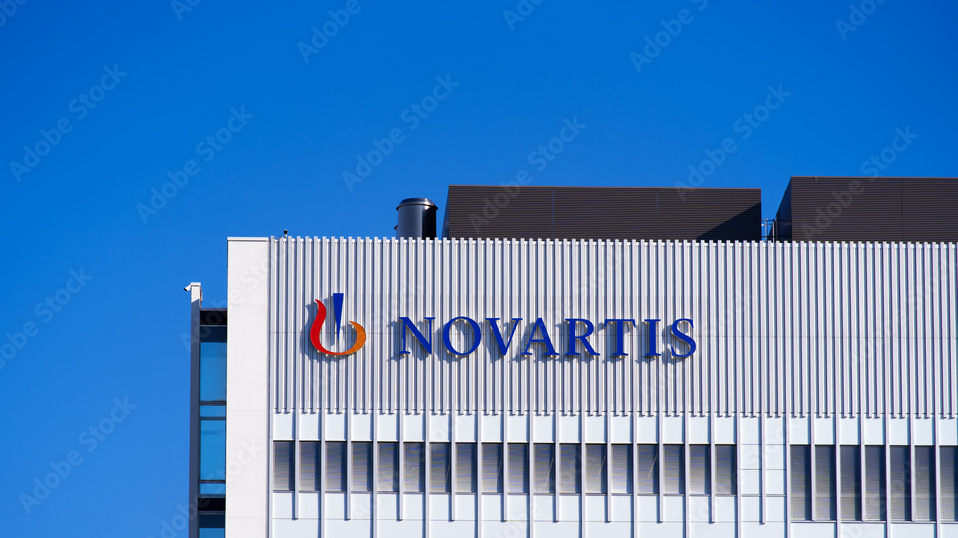
Novartis strikes another billion-dollar oncology deal with acquisition of an early PI3Kalpha oral therapy
Novartis is pressing ahead with its aggressive expansion strategy in oncology, striking again: the Basel-based group is acquiring a novel PI3Kalpha inhibitor from Synnovation Therapeutics for up to USD 3 billion.
At the centre of the deal is SNV4818, currently being evaluated in a Phase 1/2 study. The oral therapy selectively targets mutated PI3Kalpha enzymes, which play a role in around 40% of patients with hormone receptor-positive, HER2-negative (HR+/HER2-) breast cancer. Unlike earlier approaches, it is designed to spare the normal form of the enzyme – a strategy that could significantly improve tolerability.
Focus on combination therapies
Strategically, the acquisition fits squarely within Novartis’ priorities: the company is specifically strengthening its pipeline in HR+/HER2- breast cancer. SNV4818 is expected to be used in combination with established treatments such as CDK4/6 inhibitors and endocrine therapies, with the aim of improving efficacy and enabling earlier intervention.
Dealmaking momentum continues
The transaction is part of a broader pattern. Throughout 2025, Novartis was among the most active dealmakers in the pharmaceutical industry, expanding its pipeline through a mix of research collaborations and multi-billion-dollar acquisitions. The focus has been firmly on innovative platforms, targeted cancer therapies and precision medicine.
With the latest deal, Novartis is reinforcing three key strategic areas:
-
targeted therapies for solid tumours, particularly breast cancer
-
precision oncology approaches addressing specific mutations
-
combination regimens designed to enhance existing standards of care
Deepening the pipeline
The PI3K signalling pathway has long been a validated target in oncology, but existing drugs are often limited by side effects. SNV4818 aims to address this by selectively inhibiting mutated enzymes, potentially making it better suited for combination use.
For Novartis, the acquisition marks another step in its strategic shift towards highly specific, molecularly defined therapies. The transaction is expected to close in the first half of 2026, subject to regulatory approvals.
In 2025 alone, Novartis committed an estimated USD 17–18 billion to acquisitions – dominated by the takeover of Avidity Biosciences – alongside a further USD 10–15 billion in potential milestone payments tied to partnerships and licensing deals. The overarching strategy remains clear: building the pipeline through a combination of targeted acquisitions and collaborations.
Major 2025 acquisitions included:
-
Avidity Biosciences: approx. USD 12 billion
-
Anthos Therapeutics: up to USD 3.1 billion
-
Tourmaline Bio: approx. USD 1.4 billion
-
smaller deals (e.g. Regulus Therapeutics): around USD 1–2 billion
Novartis’ latest move suggests that this dual-track approach is set to continue
 Pic by Immo Wegmann via Unsplash
 Tubulis GmbH
 EyEM, Freepik.com