

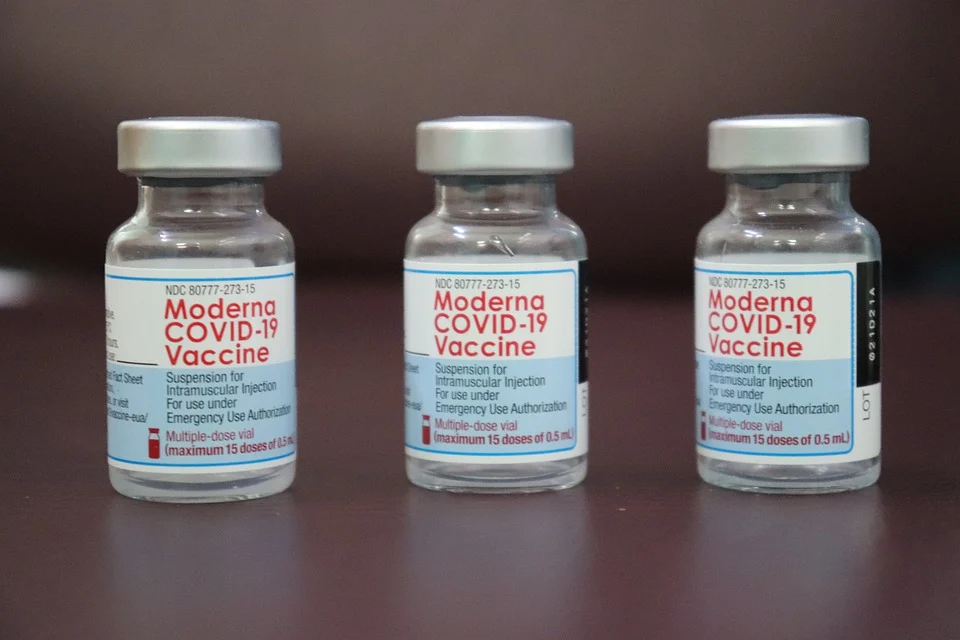
Moderna gives mRNA oncology a shot in the arm
A Phase III win for Moderna and Merck’s personalized mRNA cancer vaccine has reignited investor enthusiasm for mRNA — and put BioNTech back in the spotlight. But the data are more important than the stock rally: for the first time, a personalized mRNA cancer therapy has produced positive Phase III data in a major indication.
The INTerpath-001 trial tested intismeran autogene (V940), a personalized mRNA therapy, together with Merck’s Keytruda (pembrolizumab) in 1,137 patients with completely resected, high-risk stage IIB-IV melanoma. The combination significantly improved recurrence-free survival and distant metastasis-free survival compared with Keytruda alone. Full data are still to come, including longer-term outcomes.
The concept is important: tumor tissue is sequenced after surgery to identify mutations that can generate patient-specific neoantigens. Moderna then uses that information to produce an individualized mRNA vaccine designed to train the immune system to recognize those tumor-specific targets. Keytruda, meanwhile, removes a checkpoint that can suppress T-cell activity. The two approaches therefore attack different parts of the same problem: giving T cells a better target and taking their brakes off.
The result is also a validation of mRNA beyond infectious diseases. Moderna’s shares more than doubled on the news, while the Nasdaq biotech index gained 4.4%. BioNTech rose almost 20%, as investors reassessed the value of a company whose pipeline remains heavily focused on mRNA-based cancer immunotherapies.
BioNTech: the obvious read-across
For Mainz-based BioNTech, the Moderna data are particularly relevant because the company is pursuing a similar vision: using mRNA to turn a patient’s tumor into an immunological target.
Its autogene cevumeran (BNT122) is a personalized mRNA cancer immunotherapy being developed with Genentech/Roche. BioNTech currently has Phase II programs in colorectal cancer and pancreatic cancer, with further studies planned in other tumors. Its broader oncology pipeline also includes BNT113 and several next-generation immunomodulatory and antibody-drug conjugate programs.
That makes the Moderna result a platform validation event for BioNTech, rather than evidence that BioNTech itself has suddenly produced a clinical breakthrough. Investors are effectively asking whether Moderna has just demonstrated that the underlying mRNA cancer-vaccine concept can work at Phase III — and whether that increases the probability of success for BioNTech’s own programs.
Why now could be different for mRNA
The timing matters. After the COVID-19 vaccine boom and subsequent collapse in demand, mRNA has spent several years looking for its second act. The Moderna-Merck result provides exactly the kind of clinical proof investors have been waiting for: mRNA can potentially be used as a programmable therapeutic platform, not just as a way of rapidly making vaccines against infectious diseases.
Cancer may be particularly well suited to the technology. Unlike a conventional vaccine, an individualized cancer vaccine can be designed around the mutations actually found in a patient’s tumor. And unlike personalized cell therapies, the treatment does not require extracting and genetically modifying the patient’s own cells.
The remaining question is commercial rather than purely scientific. Personalized manufacturing at scale, turnaround times, cost and logistics all have to work. Analysts have already cautioned that the full dataset is needed before concluding that the approach will become routine after surgery.
And what about Novavax?
Novavax did rise — but by much less. That is logical: the company is not a comparable mRNA oncology play. Its core technology is recombinant protein-based vaccines, most notably its COVID-19 vaccine, rather than mRNA therapeutics or personalized cancer vaccines.
So while a broad biotech rally can lift Novavax, Moderna’s result does not provide the same direct read-across to Novavax’s technology or pipeline. BioNTech, by contrast, has a substantial mRNA oncology portfolio, making the nearly 20% jump much more clearly a bet on technology validation and pipeline optionality.
The bigger picture: After years of being associated primarily with COVID-19, mRNA has finally produced another piece of clinical evidence that could change the conversation. Moderna has shown that the platform can potentially move from pandemic vaccine technology to personalized cancer medicine. Now the market will be watching BioNTech — and its own mRNA oncology programs — much more closely.
 BioNTech SE
 Knowbio with Sweden.se