


Better late than never: Bayer eyes a slice of the mRNA vaccine pie
Patent disputes are part of everyday life in pharma. What is unusual is the timing. More than three years after the peak of the Covid-19 pandemic, Bayer has launched a broad patent offensive against the makers of mRNA vaccines – just as the market has cooled and the pandemic feels firmly in the rear-view mirror. Understandable from a financial perspective, perhaps, but still raising questions about the timing.
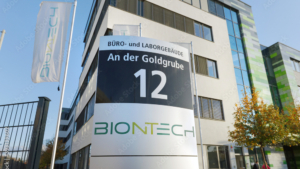
The Leverkusen-based group has filed lawsuits in the US against Pfizer, BioNTech and Moderna, with a separate action against Johnson & Johnson. At the heart of the cases are patents dating back to the 1980s, held via Bayer subsidiary Monsanto, which describe methods for stabilising mRNA. Originally developed for applications in plant biotechnology, Bayer now argues that these technologies underpin key aspects of modern mRNA vaccines.
The legal move raises an obvious question: does Bayer believe it deserves recognition – and compensation – for a technology that helped enable one of the most lucrative pharmaceutical success stories of the pandemic? If the answer is yes, the sums involved could be substantial. Covid-19 vaccines generated tens of billions of dollars in revenue at their peak, and even low single-digit royalty claims could translate into billion-dollar settlements.
From a strategic standpoint, the move is logical. Bayer is not seeking to block vaccine sales, but rather claims damages and, implicitly, backdated licence fees. In other words, the company is not attacking the business model, but attempting to participate retrospectively in a market that has already paid out handsomely.
Why act now?
What makes the situation intriguing is the timing. The vaccine boom is long over. Revenues at Pfizer/BioNTech and Moderna have fallen sharply from pandemic highs.
One possible explanation lies in the changing political and social climate in the US. Vaccine scepticism has become louder, lawsuits more frequent and the political debate around Covid vaccines increasingly charged. In such an environment, even well-capitalised pharma companies may prefer legal certainty over prolonged and technically complex patent litigation, making settlements more attractive than they might have been two or three years ago.
Bayer, for its part, was not involved in the development or manufacture of Covid vaccines. That makes the legal route the only remaining way to claim a share of the economic upside. It also explains why the move feels opportunistic to some observers – a late bid for a cake that seemed fully distributed years ago.
Patent conflicts are common
Legally, Bayer is entering a crowded battlefield. Moderna sued Pfizer as early as 2022, and the mRNA space has seen a steady stream of patent conflicts. BioNTech effectively neutralised one major dispute by acquiring CureVac outright – an option that is hardly realistic when the opponent is Bayer. Whether Monsanto-era patents can be successfully enforced against modern human mRNA vaccines remains an open question, not least because the technological leap from plant biotech to human medicine is far from trivial.
Whether the cases end in settlements, precedent-setting rulings, or quiet agreements behind closed doors is still unclear. What is clear, however, is that the financial and legal reckoning of the Covid years is not over yet. Bayer’s move may be late, but in pharma, late claims can still be very valuable.
 EyEM, Freepik.com
 Boehmert & Boehmert
 Marcus Krauss - stock.adobe.com