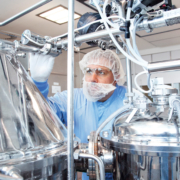
AGC Biologics supports BioNTech’s manufacturing of an Omicron-based vaccine with plasmids for in vitro transcription.


AGC Biologics supports BioNTech’s manufacturing of an Omicron-based vaccine with plasmids for in vitro transcription.
EU Members States agreed on Tuesday to launch the pan-European Scale-up Initiative, which is aimed to provide €10bn for late-state tech companies.

Dutch insect protein specialist Protix has raised €50m for expansion and development from international investors and the ECBF.

Ribbon Biolabs has cashed in €18m in Series A financing led by Hadean Ventures
German mRNA and LNP specialist Ethris GmbH has closed a $26m Series B round led by Laureus Capital.
Evotec SE will use its PanOmics platform to validate and screen targets and drug candidates in ophtalmology for Boehringer Ingelheim.
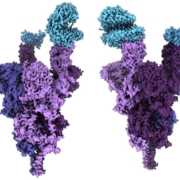
Pfizer Inc and BioNTech SE have started clinical safety testing of an Omikron-specific vaccine in healthy adults 18 through 55 years of age.

Norway’s immuno-oncology specialist Cytovation A/S has raised $20m in a Series A financing led by early-stage investor Sandwater.

French-Austrian vaccine specialist Valneva SE has demonstrated that its COVID-19 vaccine induced neutralisation of 87% of the Omicron variant.
Swiss Neurimmune AG has signed an expanded drug discovery collaboration agreement with Ono Pharmaceutical Co., Ltd. covering antibody drug targeting neurodegenerative diseases