 123rf.com/Paul Grecaud
The European Investment Fund has launched a new fund of funds with a target volume of €15 billion to strengthen growth financing in Europe’s technology sector. The programme is considered the largest of its kind in Europe to date and is aimed at around 100 late-stage venture capital funds.
 Unsplash+
Finnish clinical stage biotech TenBoron Oy has landed a €7.6m grant from the European Union’s Horizon Europe Health 2025 programme. The funding will propel its boron carrier platform for a novel targeted radiotherapy into larger clinical trials for cancers with few remaining treatment options.
 Unsplash+
Immutrin, a UK biotech, has raised £65m (€75m) in Series A funding for a pioneering antibody designed to remove pre-existing amyloid deposits in amyloidosis.
 Roche
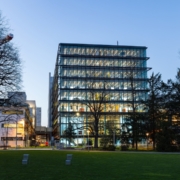
RocheAnimal testing or organoids—this question is increasingly being answered in favour of organoids. Yet robust model systems still require further research and, crucially, validation. More large pharmaceutical companies are now pursuing this goal, whether by acquiring relevant start-ups or by establishing their own research centres, as Roche has just done in Basel.
 Picture by Joanna Kosinska via Unsplash
Sanofi is expanding its immunology toolbox: The French pharma pays up to US$1.2bn for worldwide exclusive rights to Kali Therapeutics’ next-generation tri-specific T-cell engager targeting B cell-mediated autoimmune diseases.
 Unsplash+
Membrane protein degradation specialist Laigo Bio has completed the final close of its €17m (US$18.5m) seed financing. Funds will go towards the oncology and auto-immunity programmes based on the company’s bispecific antibody platform for hard-to-treat targets.
 adobe stock photos - Michael Derrer Fuchs
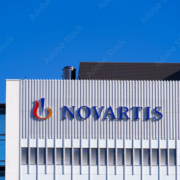
 Novartis is pressing ahead with its aggressive expansion strategy in oncology, striking again: the Basel-based group is acquiring a novel PI3Kalpha inhibitor from Synnovation Therapeutics for up to USD 3 billion.
 adobe stock photos - Sundry Photography
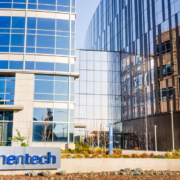
 The Basel-based pharmaceutical group Roche is pressing ahead with its digital strategy and setting new benchmarks for the industry. Together with NVIDIA, the company is building an “AI factory” that will become the largest computing infrastructure ever announced by a pharma company. In the race among pharma majors, Roche has now overtaken the supercomputer recently unveiled by Eli Lilly.
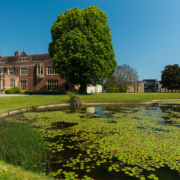
UK biotech Mestag Therapeutics has raised $40 million and appointed veteran drug developers Lindsey Rolfe as chief medical officer and Pascal Merchiers as chief development officer, as the company prepares to start its first clinical trial in cancer in mid-2026. The new financing brings total capital committed to the Cambridge-based company to more than $95 million, following its $11 million launch round in April 2021 and a seed extension that took total seed financing to $45 million in August 2021.
 adobe stock photos - deemerwha
The new Dortmund-based biotech iDEL Therapeutics has launched with a €9 million seed round to develop a new class of cancer therapies. The financing was led by BiomedVC, with participation from NRW.Venture, Gründerfonds Ruhr and the KHAN Technology Transfer Fund II.