Biotech Beactica and research institute LISCO secured €2.5M to advance glioblastoma therapy to the clinic
The European Innovation Council (EIC) has funded the collaborative GLIOBREAK project, bringing together Swedish biotech Beactica Therapeutics and the Belgian KU Leuven Institute for Single-Cell Omics (LISCO) to advance Beactica’s small-molecule candidate, BEA-17, as a precision immunotherapy for glioblastoma, the most common and aggressive form of brain cancer, which currently has limited treatment options.
Receiving up to €2.5 million, GLIOBREAK was selected for financing, along with 39 other projects, from a total of 611 proposals submitted. The EIC Transition grant is a Horizon Europe funding program that supports the advancement and validation of technologies while simultaneously preparing them for business and market deployment.
Translating preclinical discoveries into treatment
Beactica’s BEA-17 is a novel small-molecule protein degrader designed to selectively target lysine demethylase 1 (LSD1), a regulator of histone modifications that influence how DNA in the cell is packaged and accessed, along with its co-factor CoREST. In preclinical studies conducted by Beactica, the drug candidate promoted stronger antigen presentation, triggered a viral mimicry response, and shifted macrophages toward a pro-inflammatory phenotype, thereby reactivating immune responses within the tumour microenvironment. Importantly, it was also proven to cross the blood-brain barrier and reach the brain at desired doses.
According to LISCO “evaluating whether this epigenetic reprogramming truly occurs in vivo is central to IND readiness.” At LISCO, sophisticated in vivo models are tightly integrated with spatial multi-omics technologies, making them the right choice to perform the studies. “This integration of disease models and multi-layered spatial profiling creates a translational bridge between nonclinical validation and early clinical development,” states LISCO press release.
However, glioblastoma is highly heterogeneous, with significant genetic and cellular variation between patients. To address this, the GLIOBREAK project incorporates biomarker identification and patient stratification to better inform the design of first-in-human clinical trials for BEA-17.
The parties agreed that, during the three-year project, Beactica will focus on compound development, toxicology studies, and regulatory submissions, while LISCO will provide the mechanistic validation and establish a biomarker framework to guide a stratified first-in-human trial and lay the groundwork for potential future companion diagnostic development. “The project is targeting the completion of IND-enabling studies and submission of a regulatory application to either the U.S. Food and Drug Administration (FDA) or European Medicines Agency (EMA), positioning BEA-17 for first-in-human clinical trials,” states Beactica in the announcement.
Funding the next generation of therapies
The EIC Transition is one of the most competitive Horizon grants, awarded to projects capable of delivering major breakthroughs in clinical outcomes. Another previous awardee was Nano4Rare for the preclinical development of a nanomedicine candidate for Fabry rare disease treatment to enter clinical phase. Based at the Institut de Ciència de Materials de Barcelona, in Spain, Nano4Rare project received the EIC Transition grant in 2023, and only a year later showed how the drug candidate had remarkable efficacy in preclinical studies for Fabry disease.
A 2024 awardee of the EIC Transition grant was TREM2MEDS for the transplantation of hematopoietic stem/progenitor cells (HSPCs) engineered by lentiviral vectors to express robust levels of the Triggering receptor expressed on myeloid cells 2 (TREM2). According to the TRE2MEDS project coordinated by Università degli Studi di Padova (Italy) with partners including INSERM (France) and the Czech Centre for Phenogenomics (Czechia), this approach uniquely targets microglia dysfunction, representing a competitive solution for patients affected by Alzheimer’s disease and Alzheimer’s disease-like dementia, such as Nasu-Hakola disease. Updates on TREM2MEDS’ progress are eagerly awaited, as the consortium works toward translating this innovative microglia-targeted therapy from preclinical studies to first-in-human trials.
As the GLIOBREAK gets underway, the glioblastoma field is watching closely, given the limited progress in recent years. Last year, Imvax reported that the phase 2b trial of IGV-001, an autologous biologic-device combination therapy, met its primary endpoint by improving overall survival (OS) in newly diagnosed glioblastoma patients.
Meanwhile, Novocure, a US-based oncology company, is evaluating its Optune medical device, in combination with radiation therapy and temozolomide for newly diagnosed patients. The trial is currently listed as active but not recruiting, and real-world studies have highlighted challenges with both initiating and maintaining long-term use of the device.
On the cellular therapy front, the University of Pennsylvania, in collaboration with Kite Pharma (a Gilead company), is running a Phase 1 trial of CAR‑T therapy targeting IL13Rα2 and EGFRvIII in glioblastoma. While the trial is active, it is not recruiting, reflecting the early-stage, exploratory nature of these approaches.
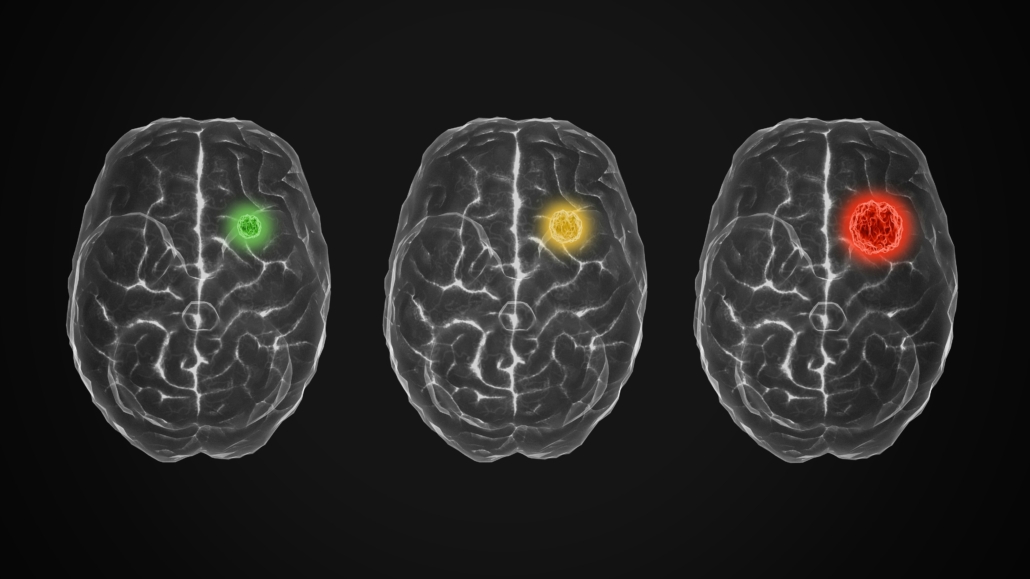
 adobe stock photos - Wang Dan