
 Sevan Habeshian & Christian Heinis et al. https://www.nature.com/articles/s41467-022-31428-
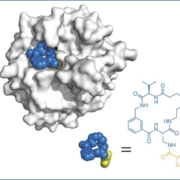
In the evolving landscape of drug discovery and new design, scientists and pharmaceutical innovators continually strive to develop therapies that are both highly selective and clinically effective, while addressing targets previously deemed “undruggable”. In recent years, macrocycles – a class of large, ring-shaped molecules – have emerged as a compelling solution at the crossroads between traditional small molecules and large biologics, offering a blend of high specificity, rich chemical diversity and promising pharmacological profiles.
 Getty Images, for Unsplash+
Basel-based Windward Bio did it again and has raised another three-digit millions – $165 million to be exact – to advance a pipeline of long-acting immunology therapies—much of it sourced through in-licensing deals with Chinese partners. Its lead candidate, WIN378, is moving into Phase III, with first clinical readouts expected from 2026.

Cytospire Therapeutics has raised a £61 million (€71 million) Series A round, positioning the British biotech to advance pan-gamma-delta T-cell engagers (TCEs) into cancer clinical trials.

Belgian biopharma UCB has moved quickly from testing the waters in autoimmune T-cell engagers to making one of the largest bets yet on the modality, agreeing to acquire San Diego-based Candid Therapeutics for up to US$2.2bn.