
 VanessaSpencer - stock.adobe.com
For years, Portugal sat just outside Europe’s main biotech conversation: scientifically credible, strong in research, but too small, too fragmented and too thinly financed to compete with the established hubs in Switzerland, the UK, France, Germany or the Nordics. That view is becoming harder to defend. Portugal still does not have the scale of Europe’s top biotech markets, but it is building something more durable than a collection of isolated startups.
 EyEM, Freepik.com
The Copenhagen-based cancer immunotherapy company IO Biotech has come to an abrupt end, marking one of the more sobering recent failures in Europe’s mid-cap biotech segment. Founded in 2019, the company had sought to position itself at the forefront of therapeutic cancer vaccines, but a decisive clinical and regulatory setback ultimately proved insurmountable.
 Generare
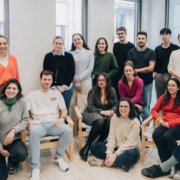
French Generare, founded in 2023, is positioning itself at the intersection of synthetic biology and artificial intelligence by tackling what many in the sector now see as a fundamental bottleneck: the lack of genuinely novel molecular data.

Eli Lilly has agreed to acquire UK-based Centessa Pharmaceuticals in a deal worth up to $7.8 billion, giving the pharma giant a high-profile entry into one of biotech’s most closely watched neuroscience fields: orexin biology. The companies announced a definitive agreement on March 31, 2026.