

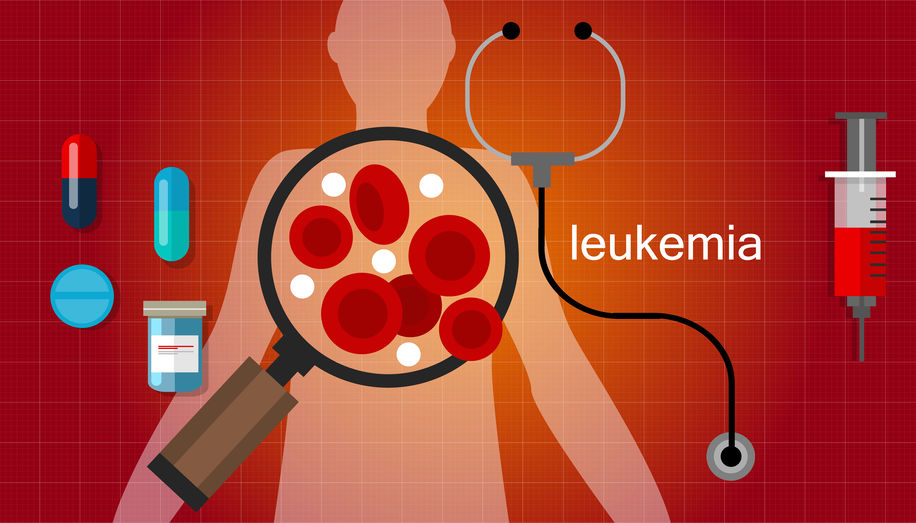
Driver of GVHD after blood stem cell transplantation identified
Swiss, French and German researchers have unraveled a molecular pathway that might be useful to prevent Graft-versus-Host Disease (GVHD) in leukemic recipients of blood stem cell transplants.
The results of the team headed by Sonia Tugues from ETH Zürich solve a paradox in the field of allogenic blood stem cell transplantation – while stem cell transplantion is an effective treatment for certain leukemias, it can also result in GVHD. The potentially life-threatening reaction in which a patient’s immune system attacks the transplanted cells affects 40-60% of leukemia patients undergoing allogeneic hematopoietic cell transplantation (allo-HCT)
In mouse models of allo-HCT the researchers discovered that a GM-CSF was critical to the development of GVHD. The factor, which is produced by T cells derived from donor cells, promoted GVHD by encouraging myeloid immune cells to secrete proinflammatory cytokines, but did not contribute to or compromise graft-versus-leukemia activity in T cells. Furthermore, tissue biopsies from GVHD patients harboured elevated GM-CSF levels compared to samples from healthy controls, and blocking GM-CSF in a mouse model of GVHD had beneficial effects. The authors say that blocking GM-CSF in allo-HCT patients may offer an approach to specifically target cells that promote GVHD without hampering the procedure’s effectiveness against blood cancer.

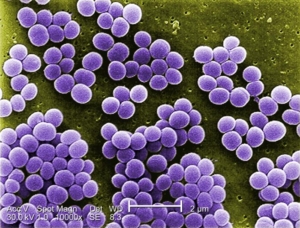 CDC/Janice Haney Carr
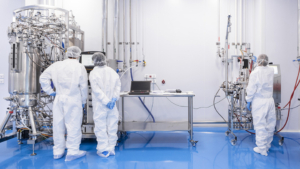 3PBIOVIAN