
T-CURX buys Pantherna as the race for in vivo CAR-T gathers pace
T-CURX acquires Pantherna: does this mark the start of a new race for the next generation of CAR-T therapies? The Würzburg- and Munich-based CAR-T company T-CURX is acquiring the Berlin-based mRNA and LNP company Pantherna Therapeutics. Financial details of the transaction were not disclosed. Pantherna is to continue operating in Hennigsdorf as a wholly owned subsidiary.
With this merger, there is no need to chase down the financial volume with investigative zeal and try to determine what order of magnitude the deal might fall into. That is not what matters here. At first glance, the acquisition may look like a relatively small merger between two smaller German biotech companies, and the casual reader may simply move on. Behind it, however, lies a strategic trend that is currently preoccupying the cell therapy industry: the development of so-called in vivo CAR-T therapies.
The promise of in vivo cell therapy
Conventional CAR-T treatments have so far required complex manufacturing outside the body. T cells are taken from patients, genetically modified, and then infused back into them. While this approach has delivered impressive successes in certain blood cancers, it remains expensive, complex, and limited to specialised centres.
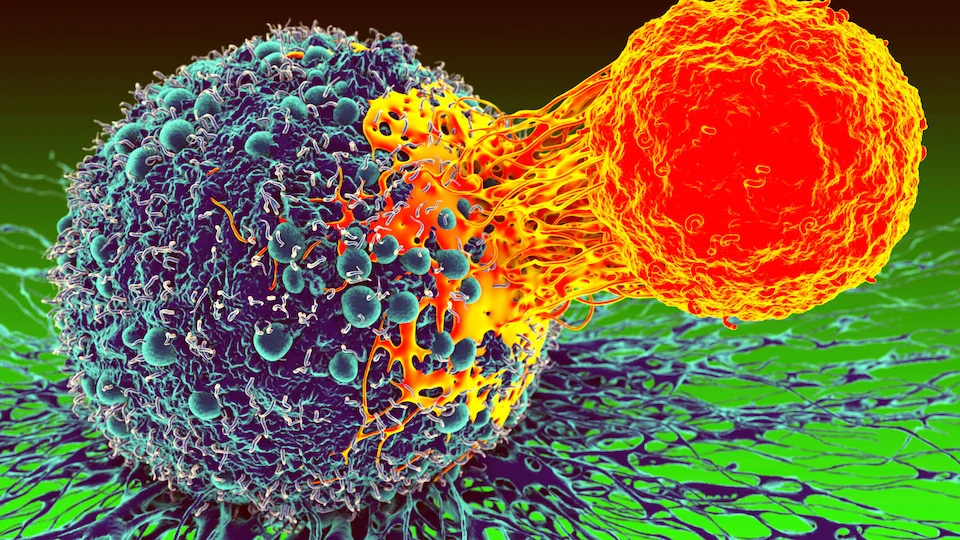
But what if it could be much simpler, and patients could manufacture their own cell therapy? This is why many developers are placing their hopes on in vivo approaches. In these therapies, the genetic instructions for CAR-T cells are delivered directly into the body, so that immune cells are reprogrammed inside the patient. If successful, this could reduce manufacturing costs and make cell therapies significantly more widely available.
This is precisely where the technologies of the two companies complement each other. T-CURX has a non-viral CAR-T platform based on transposons that is already being tested clinically. Pantherna contributes expertise in mRNA design and lipid nanoparticles, or LNPs – the class of technology made world-famous by the COVID-19 vaccines from BioNTech and Moderna.
The software update must be delivered precisely
What computers seem to manage effortlessly – delivering a software update to users around the world — remains one of the great challenges inside the human body: how can a genetic programme update be transferred into the desired cell, and only into that cell? The central challenge is therefore to transport the genetic payloads precisely into the intended immune cells. While LNP systems for administering mRNA are now clinically established, the targeted delivery to T cells is still considered one of the greatest technical hurdles in the field. The acquisition is intended to bring both areas of expertise under one roof.
The move follows an existing research collaboration. According to the companies, the combined technologies have been validated preclinically. The aim now is to accelerate the development of clinical programmes.
Whether this will actually result in a competitive advantage remains to be seen. Internationally, many companies are pursuing similar strategies. In the United States in particular, biotech companies and pharmaceutical groups are investing significant sums in in vivo CAR-T technologies. In China, too, an increasing number of programmes are emerging that combine cell therapy with mRNA, nanoparticle, or gene-editing platforms. One US industry magazine recently even reported that there were now simply no in vivo CAR-T companies left, because all of them had been acquired.
Drug delivery is becoming more valuable
What is striking, however, is that so far only a few companies control all of the key technologies themselves. CAR-T platforms, vector technologies, and drug delivery are often brought together through collaborations. Against this backdrop, the acquisition looks less like classic expansion and more like an attempt at vertical integration: T-CURX wants to bring the central building blocks of a potential in vivo CAR-T platform together in one organisation. This will also raise the question of which component of such a more holistic cell therapy company is truly decisive. Could targeted delivery – the introduction of new genetic information – be the decisive key, while analysing the “software error” and producing the specific update soon become common knowledge?
Whether this is actually the path the industry needs will only become clear in the coming years. The need, however, is obvious. After two decades of CAR-T development, many companies are looking for ways to evolve the therapy from a highly individualised procedure into a more broadly applicable drug platform. The combination of cell therapy and LNP technology is considered one of the most promising approaches.
The merger shows just how central the question of delivery has become. Many industry observers now assume that the bottleneck for the next generations of gene and cell therapies is no longer primarily the biological idea, but the ability to reliably bring genetic information to, and into, the right cells.