
Novartis commits $3.2B to subcutaneous delivery
Novartis could pay up to $3.223 billion (€2.8 billion) for access to Alteogen's technology for turning intravenous biologics into subcutaneous drugs. Behind the eye-catching figure is more than patient convenience: Drug delivery is becoming an increasingly important tool for lifecycle management and emerging drug classes.
How it works: Novartis secured multiple options for exclusive rights to develop and commercialize subcutaneous versions of several products using Alteogen’s ALT-B4, or berahyaluronidase alfa.
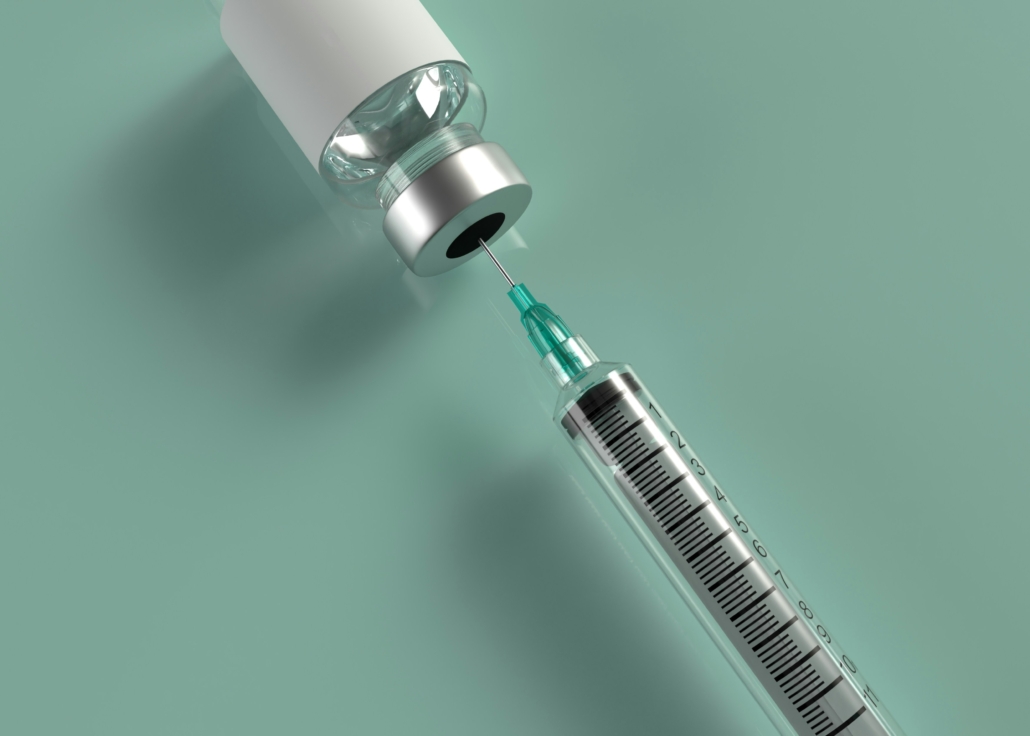
- The recombinant hyaluronidase temporarily breaks down hyaluronic acid in tissue, creating space for larger amounts of a drug to be injected under the skin and dispersed more rapidly. In practice, that can turn a lengthy intravenous infusion into a much faster subcutaneous injection.
- If Novartis exercises all options and Alteogen reaches all development and commercial milestones, the Korean company could receive up to $3.223 billion, plus royalties on sales. That scale makes most sense if Novartis ultimately deploys the technology across high-value products.
Why it matters: Novartis is not buying a new formulation for one medicine. It is buying access to a technology that can potentially be reused across several products. That matters as the Swiss pharma prepares for patent and exclusivity losses on major medicines over the coming years. New formulations can make treatment easier, reduce administration costs and potentially help retain patients and physicians as competition arrives.
- They can also generate new intellectual property around formulation, composition or administration. That does not simply extend the patent life of the original molecule, but it can create another layer of protection around a product.
Backstory: Alteogen already has a high-profile proof point. Merck’s Keytruda Qlex, which combines pembrolizumab with Alteogen’s berahyaluronidase alfa, won FDA approval in September 2025 as a subcutaneous alternative to intravenous Keytruda.
Big picture: Novartis is far from alone in chasing these technologies.
- Alteogen has signed four ALT-B4 licensing agreements in 2026, including deals with Biogen and GSK’s Tesaro. Biogen’s March agreement covers subcutaneous versions of two biologics and is worth up to $579 million, plus royalties. GSK’s Tesaro separately licensed ALT-B4 for a subcutaneous version of the PD-1 antibody dostarlimab.
- Competitor Halozyme is also expanding the scope of its ENHANZE subcutaneous delivery technology. Its May agreement with GSK covers several oncology targets, illustrating how competition for delivery platforms is spreading beyond conventional antibodies.
What we’re watching: Alteogen itself is exploring ALT-B4 for antibody-drug conjugates, suggesting that subcutaneous delivery could eventually reach modalities traditionally considered difficult to administer this way.
The next frontier: Delivery becomes even more strategic when the problem is not how conveniently a medicine reaches the patient, but whether it can reach its target tissue at all. That is particularly important in neurology, where the blood-brain barrier prevents many large molecules from entering the brain at therapeutically useful concentrations.
- Novartis has already been building capabilities here. In 2025, it agreed to pay BioArctic $30 million upfront for access to its BrainTransporter technology, with another $772 million in potential payments. In January, it added a separate collaboration with SciNeuro around an Alzheimer’s antibody incorporating the biotech’s blood-brain barrier shuttle.
- And with its $12 billion acquisition of Avidity Biosciences, completed in February, Novartis bought not only three late-stage neuromuscular programmes but also an antibody-oligonucleotide conjugate platform designed to deliver RNA therapeutics into muscle. Novartis explicitly positioned the technology as part of its broader xRNA strategy.
The bottom line: Drug delivery used to come relatively late in development: tablet, infusion, depot or injection. With RNA medicines, gene therapies, ADCs and large biologics, it is increasingly becoming part of the therapeutic concept itself. For established blockbusters, delivery can help defend a franchise as generics or biosimilars approach. For newer modalities, it can determine whether a drug reaches the tissue where it needs to work at all. That helps explain the valuations. A successful delivery mechanism can potentially be reused across multiple molecules, targets and indications. What pharma companies are buying is not simply a more convenient injection, but infrastructure for their pipelines.

 CM4Cure. All Rights Reserved.