GSK taps Engitix’s platform in liver fibrosis deal worth up to £44.5m upfront
London-based Engitix Ltd has entered a strategic research collaboration and option agreement with GSK to discover and validate new therapeutic targets for liver fibrosis regression, adding another pharma partnership to its extracellular matrix-driven drug discovery platform.
Under the agreement, Engitix is eligible to receive up to £44.5m in upfront and near-term payments, plus up to £118m per target in downstream milestones and tiered low-single digit royalties on future product sales. GSK will have the option to license assays, datasets and targets generated through the collaboration, and would lead further development and commercialisation of any resulting programmes.
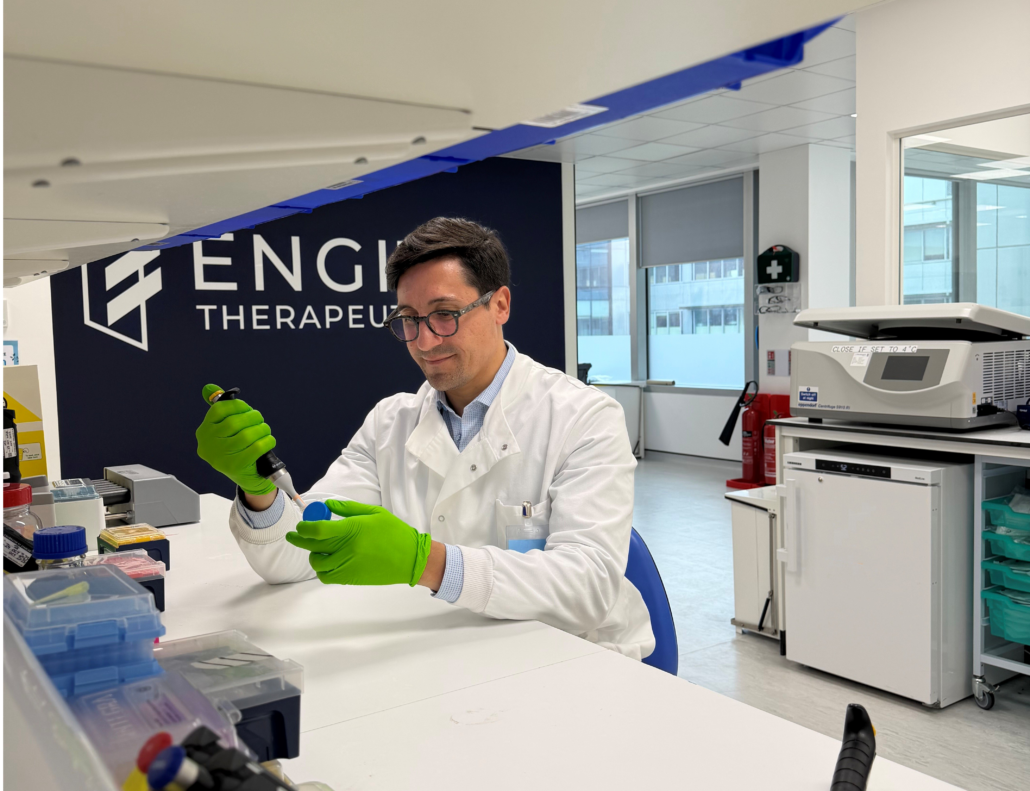
The collaboration will combine Engitix’s human extracellular matrix (ECM) platform and multi-omics datasets with GSK’s drug development capabilities. The companies said the work will focus on mechanisms involved in liver fibrosis regression, rather than simply modelling fibrosis progression. Engitix will use human ECM-based disease models and high-resolution translational multi-omics datasets to identify targets linked to fibrosis resolution in liver disease.
Momentum for Engitix
For Engitix, the GSK agreement comes only months after the company closed a US$25m Series A extension led by Netherton Investments, which invests on behalf of billionaire hedge fund founder Mike Platt. European Biotechnology Magazine previously reported that the financing was intended to advance Engitix’s preclinical pipeline in solid tumours and fibrosis, while expanding its proprietary ECM datasets.
Engitix’s approach is based on the idea that the extracellular matrix is not just passive structural support, but an active driver of disease in fibrosis and solid tumours. The company works from human patient tissue, stripping it down to the acellular ECM scaffold before using proteomics, imaging, bioinformatics and other readouts to compare diseased and healthy tissue environments. According to Engitix, this enables the identification of disease-relevant targets and biomarkers with stronger translational potential.
The company already has three disclosed preclinical programmes: EGTX003 in fibrosis, EGTX004 in solid tumours, and EGTX006 in advanced fibrosis. It also has two confidential collaborative programmes with Takeda in advanced metabolic dysfunction-associated steatohepatitis (MASH) fibrosis and fibrostenotic Crohn’s disease.
The new GSK deal places Engitix more directly in one of the most active areas of metabolic and fibrotic disease research. Liver fibrosis, particularly in MASH, has attracted significant pharma interest after years in which the field lacked approved therapies. Madrigal’s Rezdiffra became the first FDA-approved treatment for MASH with moderate-to-advanced fibrosis in 2024, while Novo Nordisk’s semaglutide has since expanded the therapeutic landscape by showing MASH resolution and fibrosis improvement in clinical testing.
GSK’s fibrosis play
The agreement also echoes GSK’s collaboration with another London-based startup, Relation Therapeutics. In December 2024, GSK entered a deal worth US$45m, including a US$15m equity investment, with Relation to discover and develop treatments for osteoarthritis and fibrotic diseases, using the company’s human genetics, patient tissue and machine-learning platform. Like the Engitix deal, the collaboration gives GSK access to a discovery engine built around human disease biology rather than conventional preclinical models, with payments structured around upfront, near-term and milestone-based economics.
GSK has also been sharpening its liver disease portfolio. Earlier this year, the company agreed to out-license linerixibat to Alfasigma in a deal worth up to US$690m, saying the move would allow it to focus on other liver disease areas, including chronic hepatitis B and fatty-liver disease.