GSK returns to Chimagen for up to $750M myeloma trispecific
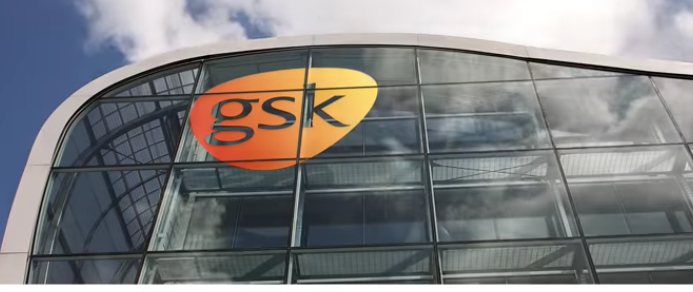
GSK has agreed to acquire full global rights to a preclinical trispecific T-cell engager for multiple myeloma from China-based Chimagen Biosciences in a deal worth up to $750 million (€650 million), its second purchase from the company in under two years.
Why it matters: T-cell engagers have been highly effective in multiple myeloma but hard to tolerate, and GSK is buying a design meant to fix that. By binding T cells while targeting two validated tumor-associated antigens at once, the Chimagen molecule is intended to produce deeper and more durable responses than existing engagers with a better safety profile, which GSK says could open the class to broader adoption and earlier lines of treatment for the third most-common blood cancer globally. The prize it cites is a U.S. myeloma T-cell-engager market that external forecasts put above $10 billion by 2032.
Backstory: On Oct. 29, 2024, GSK agreed to pay $300 million (€260 million) upfront for CMG1A46, a CD19/CD20-targeted T-cell engager, with up to $550 million (€477 million) more tied to development and commercial milestones. GSK presented that deal as an immunology move: it wanted deep B-cell depletion in lupus and related autoimmune diseases, although Chimagen already had the drug in Phase 1 trials in leukemia and lymphoma.
- GSK’s pipeline lists the molecule as a CD19/CD20/CD3 trispecific antibody. The new myeloma program follows the same basic three-specificity logic: T-cell engagement combined with recognition of two target antigens, although GSK has not disclosed the myeloma molecule’s targets or architecture.
- GSK’s own Phase 1 study in B-cell-driven autoimmune rheumatic diseases, ELEVATE-1, began on Feb. 10 and is recruiting.
By the numbers: This time the economics are less transparent. GSK will pay an undisclosed upfront fee for full global rights; development and commercial milestones take the total potential value to $750 million. The agreement is subject to customary closing conditions. The program is expected to enter Phase 1 in 2027; GSK has released no trial details and no program code.
- The science is similarly guarded. GSK has named neither antigen, and its efficacy and tolerability claims rest on preclinical work it has not described.
Zoom in: GSK already has a marketed myeloma drug in Blenrep, a BCMA-directed antibody-drug conjugate approved in the EU for relapsed or refractory disease after at least one prior line and, since October 2025, in the U.S. after at least two. A trispecific T-cell engager would attack the same disease by a different route, recruiting T cells rather than delivering a cytotoxic payload. The deal “complements our existing portfolio in multiple myeloma,” said Hesham Abdullah, GSK’s global head of oncology R&D.
Yes, but: GSK is entering an advanced race. Johnson & Johnson’s ramantamig, or JNJ-79635322, already binds BCMA and GPRC5D on myeloma cells and CD3 on T cells. J&J has taken the drug into Phase 3, including a head-to-head trial against the BCMA/CD3 bispecific teclistamab after one to three prior lines that began in May.
The big picture: GSK is assembling cancer assets from outside its own labs at pace. On July 15 it completed its $10.6 billion (€9.2 billion) acquisition of Nuvalent, adding three precision medicines for genetically defined lung cancers. On Sept. 3 it licensed rights outside Greater China to HUTCHMED’s preclinical KRAS-EGFR conjugate HMPL-A830 for $110 million (€95 million) upfront and as much as $1.295 billion (€1.12 billion) in total, another externally sourced program due in the clinic this year.
Bottom line: GSK has gone back to Chimagen voluntarily while spending heavily on cancer assets it did not invent. Whether the second purchase proves more than confidence in the platform will wait on the two undisclosed targets, and then on the first-in-human trial GSK expects to start in 2027.

 Santhera