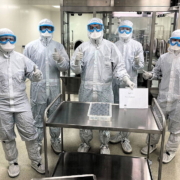
As investments into COVID-19 therapeutics is no EU priority, development is lagging behind the US. Now, CORAT Therapeutics candidate COR101 is set to enter clinical testing.

As investments into COVID-19 therapeutics is no EU priority, development is lagging behind the US. Now, CORAT Therapeutics candidate COR101 is set to enter clinical testing.

After BioNTech SE reported that its COVID-19 vaccine candidate BNT162b2 was over 90% efficient in a Phase III trial, Moderna Inc announced an efficacy of 94.5%.
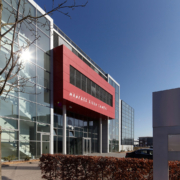
Evotec SE is set to expand the company’s existing campus in Milton Park/Abingdon, UK, into a major, fully-integrated drug discovery and development centre.

Pfizer and Biontech SE have reached an agreement with the European Commission to supply 200 million doses of their mRNA-based COVID-19 vaccine candidate.

More than 1,800 attendees already registered for the Global Bioeconomy Summit 2020. The conference takes place virtually from November 16 to 20.
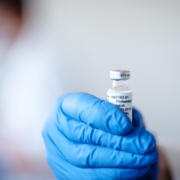
Interim data on BioNtech’s/Pfizer’s COVID-19 vaccine candidate BNT162b2 suggest an efficacy of more than 90% – 30% better than required by the FDA.

Swiss drugmaker Vifor Pharma has licenced US and EU commercialisation rights of Angion Biomedica’s experimental kidney drug ANG-3777.
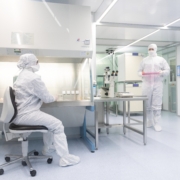
Japanese CDMO Minaris Regenerative Medicine Co. Ltd will invest US$64.5m to expand its facilities in Europe and Asia.
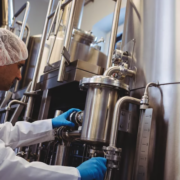
Lead investor Novo Growth has led a €22m Series A investment in The Protein Brewery, a Dutch company that is to supplement the market for protein alternatives by fungal protein.
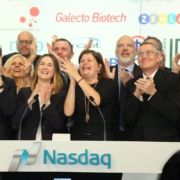
HBM portfolio company Galecto has raised US$85m through the placement of 5.67 million new shares at a price of US$15 per share at Nasdaq.