
GSK announces plan to axe UK Stevenage R&D hub, moving to Cambridge
GSK has announced plans to shut its UK R&D headquarters in Stevenage, UK, moving operations north to a new site in Cambridge, while also announcing a company-wide programme to reduce annual costs by £1.9 billion (€2.2 billion).
Why it matters: It’s a major strategic move by new CEO Luke Miels, who took over on 1st January from Emma Walmsley. GSK said it will vacate its R&D site at Stevenage, Hertfordshire, with a phased move for employees by 2029. Alongside the move to Cambridge, GSK will upgrade its existing R&D laboratories at Ware in Hertfordshire and move some employees there.
Zoom in: This will create a fully integrated “drug development and commercial manufacturing scale up capability”. Overall, the company plans to invest £400 million over 3 years in support of these changes.
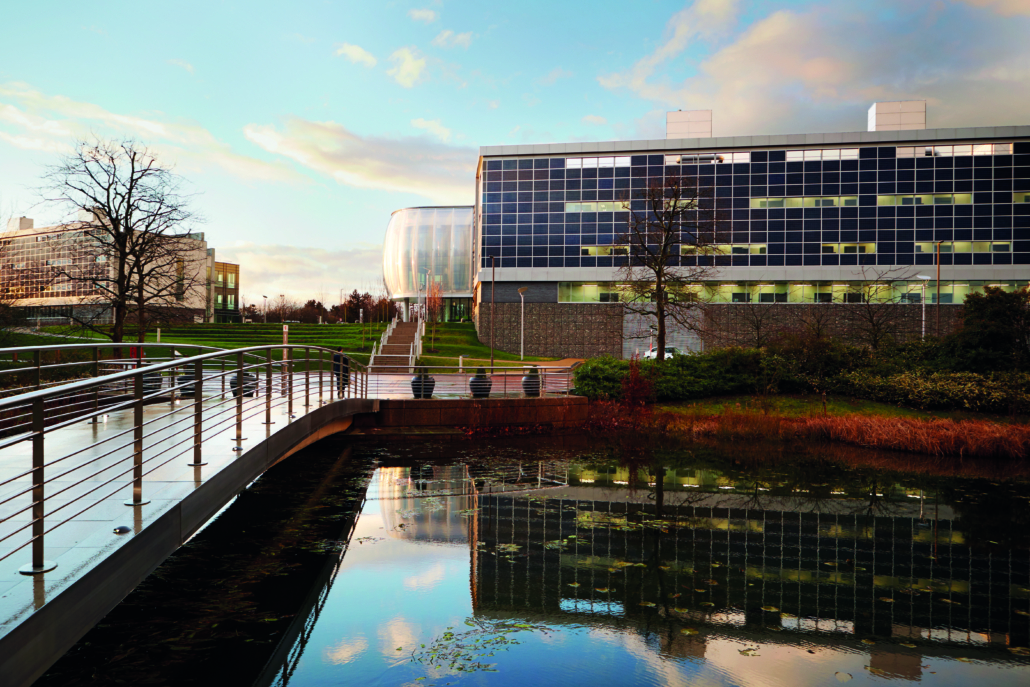
- The new 300,000 square foot site, on the Cambridge Biomedical Campus in the heart of the UK’s life sciences “Golden Triangle,” will be home to GSK’s R&D operations in the UK and more than 1,000 GSK scientists.
- Although the Stevenage site will be a loss for the surrounding economy, Prime Minister Andy Burnham described the investment plan as a “vote of confidence” in the UK.
Backstory: Given Miels’ previous position as head of AstraZeneca’s European business from 2014-2017, the decision is unsurprising.
- The strategy follows the move by AstraZeneca announced in 2013, which saw the other big UK pharma move its R&D base in Macclesfield, Cheshire to Cambridge. AZ’s move was completed in 2019 after construction delays.
- GSK has cited similar reasons for the move: direct access to the “world-class” biomedical research conducted at the University of Cambridge and the science parks that surround it.
- By moving its R&D operations, GSK aims to build its network of collaborations with academic institutions and scientific organisations, including the University of Oxford, King’s College London, Imperial College, the University of Manchester, Wellcome and the Crick Institute. GSK’s global headquarters will remain in London and is unaffected by the move.
By the numbers: At the same time, GSK announced in its quarterly results that a three-year cost-saving plan is designed to generate £1.9 billion (€2.2 billion) in annual cost savings by 2029, against £2.4 billion (€2.8 billion) in total one-time costs.
- In order to reach an annual sales target of £40 billion between 2028 and 2030, GSK is accelerating research in 7 assets across 18 indications in oncology, respiratory, hepatology and vaccines.
- The aim of the R&D investment is to help negotiate the patent cliff caused by loss of exclusivity on dolutegravir between 2028 and 2030, a component in several HIV regimens that last year generated more than $5 billion in sales.
- Shares in GSK were up more than 5% following the announcements.
Big picture: GSK has been ramping up its business development efforts this year, starting with the $2.2 billion acquisition of RAPT Therapeutics, followed by the $950 million acquisition of Montreal-based 35Pharma and the $11 billion Nuvalent buyout.
- The strategy seems to pay off as the company disclosed having 62 assets in clinical development with over 20 Phase 3 trial expected to start in 2026.