
Proteins.1 launches with €4.7m to make protein detection as easy as PCR
A newly launched Finnish deep-tech company has cracked the code for single-molecule protein detection. VTT-originated Proteins.1 has launched with €4.7m in pre-seed funding, aiming to stop the deadliest diseases before symptoms even appear.
The company brings PCR-like amplification to the world of proteins, filling a critical gap in diagnostics. While PCR revolutionised genetic testing by amplifying tiny DNA samples into detectable signals, no equivalent amplification technology existed for proteins until now. Proteins are often the first biological signals of disease, yet they have been far harder to detect at ultra-low concentrations than DNA.
Proteins.1 solves this with a patented, physics-based platform that is enzyme-free and solid-state. Instead of relying on enzymes that give you just one shot at detection, the technology uses magnetic cycling and thin-film transistors to repeatedly read a single captured protein molecule until its signal rises above the noise. This approach delivers up to 1,000 times better sensitivity than current gold-standard platforms and can measure hundreds of biomarkers simultaneously from just a few drops of blood.
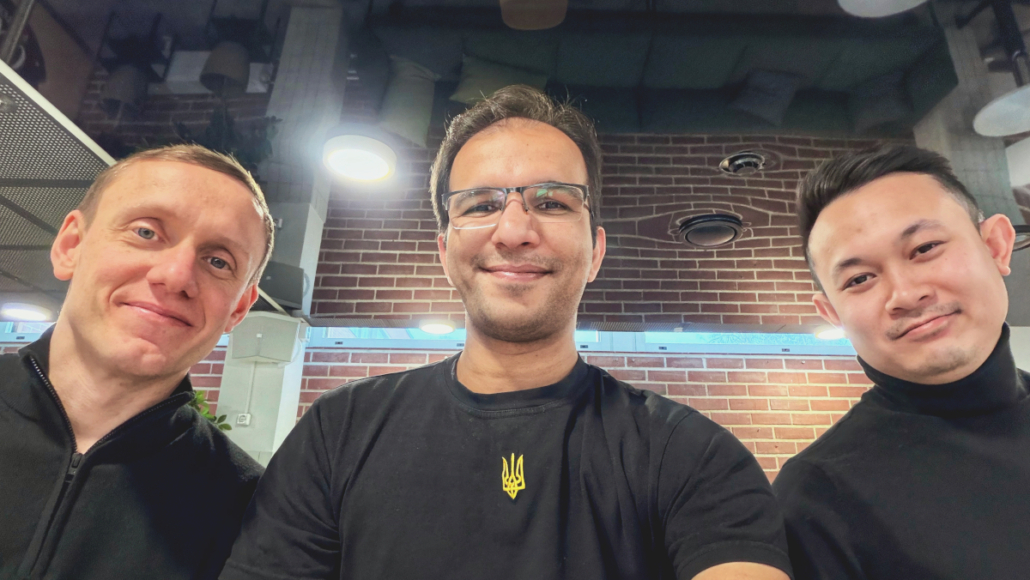
The technology originated at VTT Technical Research Centre of Finland in 2018 and has since earned US and Finnish patents. There are additional international applications pending. Espoo-headquartered Proteins.1 was founded in July 2025 and is led by CEO Prateek Singh and COO Harri Hallila. The spin-off has now secured €4.7m in pre-seed funding led by Lifeline Ventures and Cloudberry Ventures, with in-kind support from VTT and Business Finland.
The founders hope that their technology will allow the detection of diseases such as cancer, neurological disorders, and cardiovascular disease, significantly earlier than is currently possible. “The long-term vision is simple: diseases caught at the molecular stage, not when symptomatic,” they wrote on their LinkedIn page.
Proteins.1 will initially focus on research-use-only applications in oncology, neurology, and immunology before progressing toward regulated clinical diagnostics. If the company pulls off what PCR did for genetics, the shift from reactive treatment to genuine prevention could be transformative for catching cancer, Alzheimer’s, and cardiovascular disease early.