Sobi strengthens gout pipeline with Arthrosi acquisition
Sobi AB has completed the US$1.5bn acquisition of Chinese Arthrosi Therapeutics Ltd. Its lead candidate, pozdeutinurad, a URAT1 inhibitor for gout, is in pivotal global Phase-III trials, with China licensing targeting approval by 2028.
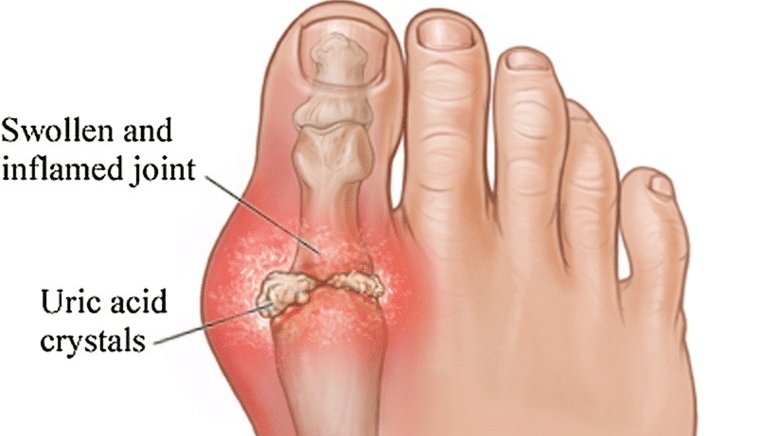
Swedish public company Sobi AB has acquired the Chinese biotech firm Arthrosi Therapeutics Ltd. for up to US$1.5bn. US$950m is paid upfront, with up to US$550m in milestone payments. The deal secures global rights to URAT1 inhibitor pozdeutinurad (AR882), developed for chronic and tophaceous gout, currently in global Phase-3 trials.
MoA and clinical data
Pozdeutinurad is a highly selective oral URAT1 inhibitor, increasing renal uric acid excretion. Previous uricosurics, including Lesinurad and Benzbromaron, were often partially effective or caused renal side effects, limiting target achievement. Pozdeutinurad aims to improve uric acid lowering with good tolerability.
In a Phase-2b trial, baseline serum urate (sUA) ranged from 9.1–9.6 mg/dL. After 12 weeks, 75 mg AR882 daily lowered median sUA to 3.6 mg/dL, while 50 mg plus Allopurinol reached 4.7 mg/dL. The Allopurinol control remained around 6.1 mg/dL, and placebo showed no significant change. Over 86% of the 75 mg group reached sUA < 6 mg/dL, with 64% below 5 mg/dL. Tophi partially resolved and crystalline urate reduced by about 68%.
Phase-3 studies REDUCE 1 & REDUCE 2 are fully recruited. Primary endpoints assess sUA reduction after six months; secondary endpoints include tophi regression and gout flare reduction. These randomised, double-blind, placebo-controlled studies expect results in 2026, with potential approval earliest by 2027/28.
For the Chinese market, pozdeutinurad is licensed to ApicHope Pharmaceuticals. The joint venture with Arthrosi handles clinical development, approval, and commercialisation in Greater China. Regulatory approval in China is targeted for 2027/28, running parallel to global Phase-3 studies.
Strategic significance
Chinese firms are also developing URAT1 inhibitors, including HP501 from Hengrui Pharmaceuticals, which demonstrates dose-dependent uric acid reductions with good tolerability, ABP‑671 from Atom Therapeutics, currently in Phase 2b/3, and further candidates like Ruzinurad (Japan Tobacco/Pharma), Epaminurad (Eisai), and Puliginurad (Kissei Pharmaceutical) under clinical evaluation. This illustrates active global research on URAT1 as a therapeutic target.
The US$1.5bn acquisition, including US$950m upfront, highlights pozdeutinurad’s strategic value for Sobi. Experts view it as a promising advancement for next-generation gout therapy, particularly for patients insufficiently managed with standard treatments. Long-term safety, patient adherence, and regulatory factors remain critical, yet