Genentech signs $490m breast cancer deal with Astex
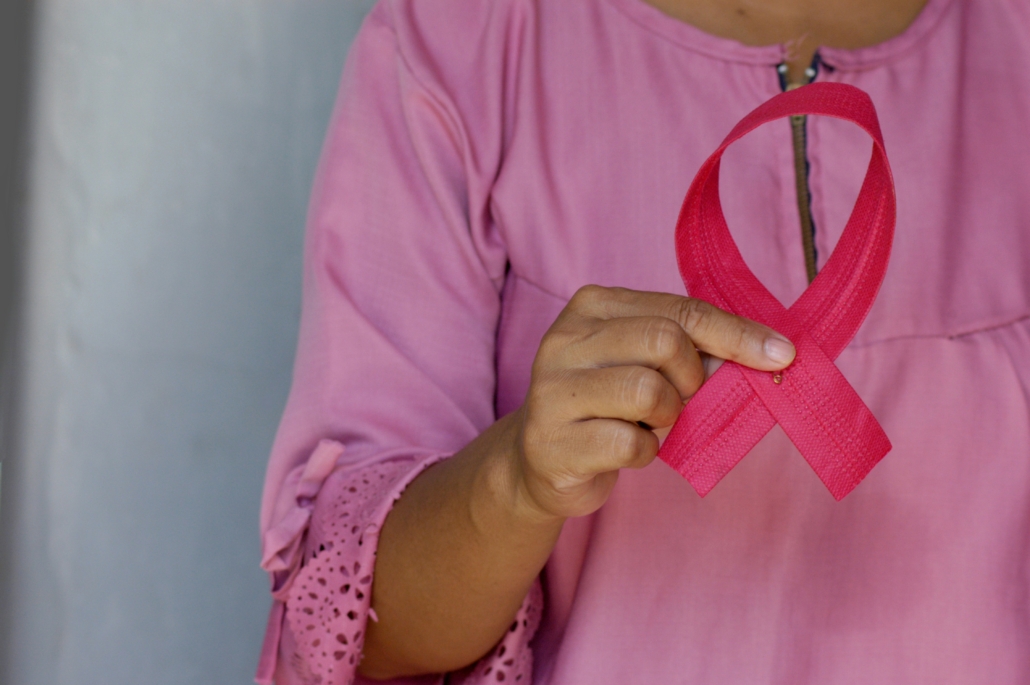
Roche’s Genentech has signed an oncology research deal with Astex, hoping the UK-based biotech will hit the jackpot again after a similar tie-up with rival Novartis produced the blockbuster breast cancer drug Kisqali.
By the numbers: The R&D deal with Roche’s Genentech is worth more than $490 million plus royalties and will draw on Astex’s fragment-based drug discovery technology to target a cell-cycle-dependent regulator in breast cancer.
- Cambridge, UK-based Astex will also receive $25 million upfront.
The deal: Astex, a wholly-owned subsidiary of Tokyo’s Otsuka Pharmaceutical Co., will grant Genentech an exclusive licence to compounds from its existing drug discovery programme for breast cancer.
- It will collaborate with San Francisco-based Genentech to accelerate research and identify preclinical candidates from the programme.
- Astex’s drug discovery programme originated from an earlier collaborative project from a strategic alliance with Newcastle University and Cancer Research Horizons.
Why it matters: Roche/Genentech will hope the collaboration brings similar success to that seen by its big Swiss rival, Novartis, which collaborated with Astex to produce Kisqali (ribociclib), a CDK4/6 inhibitor.
Backstory: Kisqali was first approved in 2017 for postmenopausal women with hormone receptor positive, human epidermal growth factor receptor-2 negative (HR+/HER2-) advanced or metastatic breast cancer.
- With the addition of other indications, Kisqali is a significant blockbuster for Novartis, with sales of $4.8 billion in 2025.
- Other notable drugs to emerge from Astex are J&J’s Balversa (erdafitinib), first approved in 2019 for metastatic bladder cancer, and AstraZeneca’s Truqap (capivasertib), first approved in 2023 in combination with fulvestrant for patients with advanced HR-positive breast cancer.
- Founded in 1999, Astex was acquired by Otsuka in October 2013 for around $866 million and operated from its two sites in the US and UK until January 2024, when the U.S. site became a wholly-owned subsidiary of Taiho Oncology Inc.
Editor’s note: this article was updated to reflect the correct deal total value.